If you’ve ever watched Formula 1, NASCAR, or the World Endurance Championship, you’re probably familiar with the non-stop flurry of data, split-second decisions, and layered strategy that unfolds both on and off the track. What may surprise some is just how much the mindset that fuels top-tier racing fandom aligns with the strategy game enthusiasts who pour hours into titles like Civilization, Chess, or StarCraft.

In this post, we’ll dig into why fans of complex strategy games tend to be drawn to motorsports—and vice versa—and why companies like MrQ, Motorsport UK, and Frontstretch increasingly cater to this crossover crowd. Along the way, we’ll explore how tools like multiple onboard cameras and live timing screens deepen the experience, creating the perfect storm for fans craving analysis, decision making, and a relentless news cycle.
The Unstoppable Race-Week Build-Up and News Cycle
Whether you’re prepping for a big match in a game of Europa Universalis or the next Grand Prix weekend, the anticipation doesn’t just start when the engines roar. For racing fans, the build-up begins days — sometimes weeks — ahead of a race, thanks to:
- Practice session analysis Qualifying results and grid predictions Weather forecasts that influence tire strategies Live telemetry data and practice lap timings Team news, driver fitness, and pit crew changes Expert predictions and fan forum debates
Much like strategy game https://dlf-ne.org/fantasy-motorsport-leagues-how-do-they-work-for-beginners/ players planning their opening moves, racing fans dissect every snippet of info to gauge how events might unfold. This build-up is precisely what platforms like Frontstretch thrive on, providing nonstop updates that feed the data-hungry audience’s craving.
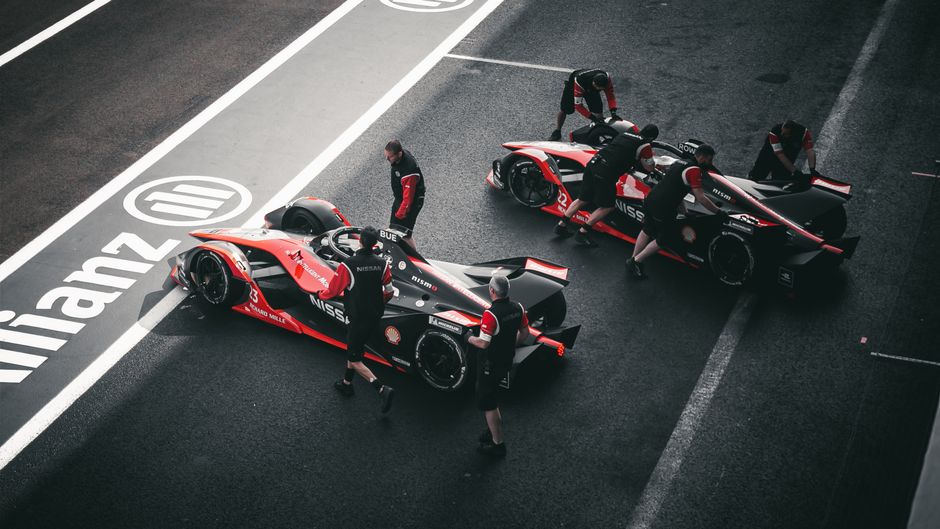
On race days, the hype doesn’t quit either. Multiple onboard cameras catch every angle, from cockpit reactions to pit lane chaos. Live timing screens track intricate details like lap times and sector splits on a second-by-second basis, putting fans in the driver’s seat of decision making alongside the teams themselves.
Strategy Obsession: Tires, Fuel, Weather, Pit Stops
Ask any race fan what excites them most beyond the raw speed, and you’ll quickly hear about the strategic chess match going on beneath the surface. Tire https://dlf-ne.org/how-to-compare-practice-sessions-without-overreacting/ choices, fuel windows, weather conditions, and pit stop timing create a complex puzzle no less demanding than a high-level strategy game campaign.
Strategy Element What Fans Watch For Data Points/Tools Used Tire Choice & Wear How compound decisions affect pace durability and grip Onboard cam tire wear visuals; sector split changes over stints Fuel Management Balancing pace with conservation to avoid late pit stops Fuel consumption telemetry; predicted window calculations Weather Forecasting Anticipating rain or temperature shifts requiring tire swaps Live weather data; instantaneous lap time effects as conditions change Pit Stop Timing Choosing the optimal lap for pit stops to gain track position Live timing gap analysis; pit lane speed data; multiple onboard camerasFans who obsess over a single race’s strategy tend to bring a strategy mindset that is all about weighing risk and reward in real time. The habits honed in strategy gaming — managing resources, anticipating opponent moves, dynamically adapting plans — are the same ones racing fans deploy to predict outcome swings based on split-second race developments.
The Data Culture: Telemetry, Lap Times, & Sector Splits
The digital age has blessed us racing fans with an unprecedented volume of real-time data. From comprehensive telemetry feeds to live timing screens that break down every lap into three or more sectors, the data culture in motorsports feeds the same hunger for stats and metrics seen in strategy game players analyzing their returns or scoreboards.
Fans live and die by parameters like:
- Lap Times: Comparing current laps against teammates, competitors, and past performances Sector Splits: Noticing where a driver is gaining or losing time on certain parts of the track Telemetry Data: Understanding throttle application, braking points, and steering inputs Fuel Usage and Tire Degradation Graphs: Projecting pit stops and stint performance
This granular level of data invites fans to form their own conclusions and strategies about the race’s unfolding narrative. It’s not uncommon for groups watching together to argue the optimal strategy based on divergences in lap times or sector performances, much like players critiquing a rival clan’s move in a multiplayer strategy game.
Second-Screen Viewing and Immersive Broadcasts
Modern racing broadcasts have evolved to recognize and amplify the strategy-driven habits of their audiences. Second-screen experiences, where fans follow live timing apps, social media chatter, and interactive race dashboards, are now standard. This increases immersion beyond the main TV feed, giving multiple data streams that fans utilize to feel on par with race engineers making vital decisions.
Motorsport UK has been at the forefront of encouraging fans to engage deeper by providing detailed live stats and onboard camera feeds that let viewers switch perspectives fluidly. Broadcasters include multiple onboard cameras capturing everything from tire wear to cockpit management, while interactive graphics overlay key analytics like pit stop delta times or forecasted weather changes in real time.
With multiple screens, fans debate vital metrics like:
- Should a driver pit early for fresh tires or stay out longer at the risk of slower lap times? How will a changing wind direction affect cornering speeds in the next sector? What’s the likely time loss from an extra pit stop compared to saving fuel?
This level of data-driven engagement closely mirrors the habits of strategy game players who frequently keep multiple windows open: scouting information, managing resources, and communicating with teammates or other players. As a shared experience, both racing fans and strategists thrive on analysis, discussion, and predictive modeling during the event.
Why MrQ, Motorsport UK, and Frontstretch Are Perfect Fits for This Audience
Companies with deep ties to the racing and gaming worlds have been quick to notice this overlap.
- MrQ, known for its accessible lottery and gaming platforms, taps into the analytical mindset of fans by offering interactive games and prediction-based competitions alongside motorsports events. Its user base shares the same love for tactical thinking and calculated risk as race fans. Motorsport UK, as the governing body of motor racing in Britain, supports grassroots enthusiasm for data immersion and strategy through accessible live timing services and promotional efforts to educate fans about the nuances of racing decisions. Frontstretch caters directly to the data-crazed racing community by providing in-depth coverage, real-time analytics, and expert commentary that mirrors the level of analysis found in the strategy gaming world.
All three blend technology, content, and audience engagement with authenticity, avoiding buzzwords and overhyping “game changers.” Their approach respects fans’ intelligence and strategy mindset, not treating them as passive consumers but active analysts and decision makers.
Conclusion
The overlap between strategy game fans and motorsports enthusiasts isn’t a coincidence. Both thrive on complex decision making, data analysis, and the thrill of watching intricate plans unfold in real time. Tools like multiple onboard cameras and live timing screens add depth and immersion that feed fans’ habits, making every lap a new puzzle to solve.
Whether tracking tire wear on a second screen during a NASCAR event or debating the perfect pit stop under changing weather conditions, this audience lives for the mix of adrenaline and intellect. It’s a powerful reminder that the real race isn’t just on the track—it’s also in the minds of the fans.