Gambling scenes have long been a cinematic tool to communicate tension, stakes, and character psychology. Yet, some sequences come off less like immersive moments and more like infomercials for casinos or games, prompting editors—and sometimes audiences—to tune out or cut them altogether. What causes these gambling scenes to feel like advertisements rather than compelling drama? And how do choices in screenwriting, cinematography, and editing either elevate or sabotage these key moments?
The Card Table as Instant Stakes and Structural Device
At its best, the gambling table is a potent nexus of risk and reward, a crucible that instantly stakes a character’s inner and outer conflicts on visible, tactile terms. Filmmakers can lean on this familiar iconography to visually articulate tension and power dynamics without words. It’s a classic “show, don’t tell” device.
However, the curse of this utility is also its banality. The moment a poker table is framed with neatly stacked chips—whether scattered or meticulously piled—and players shuffle cards or adjust their bets, the visual shorthand is so well-worn that any hint of lifelessness or artifice telegraphs instantly.
- Instant stakes: The chips, cards, and the table impose an immediate, visible structure of risk. Structure and rhythm: The turns of the cards and chip movements offer a built-in pacing guide—both narrative and rhythmic. Character psychology: How players interact with the physical elements expresses confidence, deceit, or desperation.
When it works
A well-executed gambling scene uses the card table as a gravitational center, anchoring simultaneous visual beats: the tolling clocks overhead, a drip of sweat on a brow, the tension-soaked silence filled only by the chip clacks. It becomes a structured dance where every chip pushed forward is a line of dialogue, every glance a revealing close-up.
When it falters
The scene loses this gravity when the table becomes a set piece rather than a living battleground. If the sequence seems to slow to showcase branding or lavish chip designs rather than character stakes, it shifts from narrative to spectacle—and from story to sales pitch.
Visual Grammar of Gambling in Cinema
Film has a well-established visual grammar for gambling. Dark smoky rooms, clinking chips, close-ups on twitching eyes or trembling hands, and the iconic slow push of chips across the felt—all convey a lexicon of emotion, suspense, and social play.
But this grammar can be weaponized by inattentive filmmakers or marketing-minded executives to turn cinematic gambling into a collateral product placement or an extended commercial. When every frame seems designed to flaunt glitzy hotel interiors, perfectly branded cards, or impossibly pristine casino machines, the scene morphs into an ad.
Effective Visual Elements Overused/Ad-Like Signifiers Grainy overhead shots of tense hands Crisp designer logo close-ups on chips or cards Close-ups on “poker face” micro-expressions Glowing neon signs in every frame Ambient diegetic sound: chip clicks, murmurs Unnatural voiceover extolling “the thrill of the game”This visual grammar demands balance. The audience should feel tension, not sales pressure.
Recursion Between Film and Casino Game Design
There’s an intriguing recursion at play between cinematic gambling scenes and the design of actual casino games. Casino game mechanics are often carefully engineered systems of suspense and repetition—qualities that cinema shares in its narrative mechanisms. Films depict games with deliberately slow reveals and subtle clues, reflecting how designers craft games to maximize engagement.
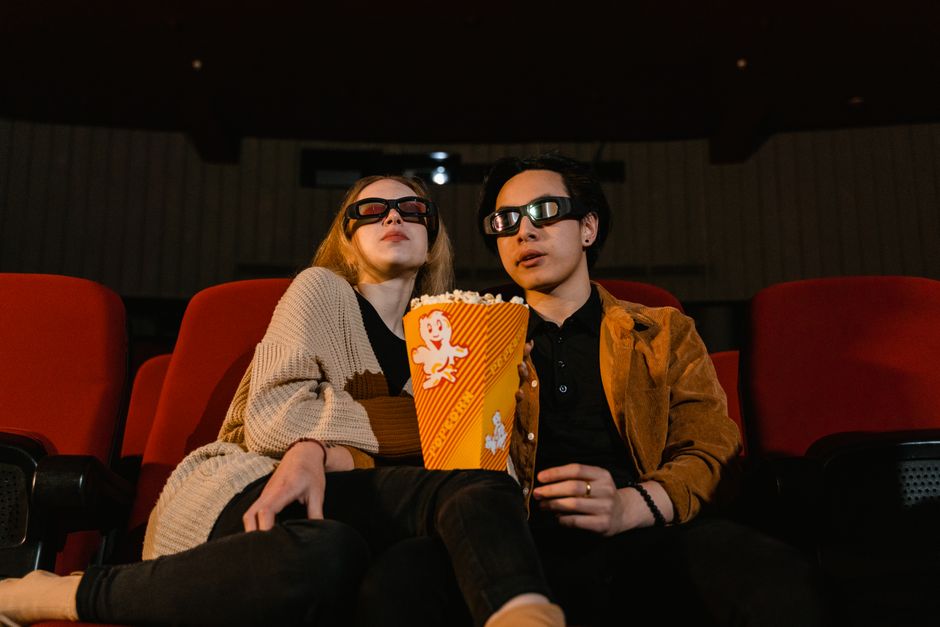
Yet this mirroring can backfire. Some gambling scenes imitate game mechanic rhythms too literally, lapsing into repetitive beats without adding narrative or emotional development. This mimicry risks viewer boredom or irritation, as too-precise replication of game tempo lacks cinematic dynamism.
- Game tempo in film: The pacing of reveals and bluffs must serve character arcs, not just replicate rules. Emotional stakes: The narrative must elevate mechanical suspense to personal stakes. Editing challenges: Editors must prune sequences that get bogged down in rules exposition or repetitive beats.
Performance Under Pressure and the Poker Face Problem
One of the enduring challenges in gambling scenes is the representation of “performance under pressure.” The famed “poker face” is less about inscrutability and more about managing micro-expressions that reveal and conceal complex emotional states.
Actors tasked with portraying these moments face a paradox: too much visible expression can ruin tension by telegraphing emotions prematurely; too little risks flattening the scene into dullness. Cinematographers and editors often attempt to solve this by carefully timing close-ups and reaction shots.
This balance is delicate—and when poorly handled, gambling scenes can feel like staged ads instead of genuine crises. The “poker face problem” becomes a storytelling problem when the performance reads as mechanical or forced, urging editors to cut or trim these sequences.
Common Screenwriting Tone Mistakes Impacting Gambling Scenes
Over-explaining rules: Dialogue-heavy exposition that treats the scene like a tutorial rather than an emotional moment. Marketing copy disguised as dialogue: Characters speaking in platitudes about “the thrill” or “the stakes” sounding like a sales pitch rather than organic communication. Ignoring internal stakes: Focusing too much on monetary wins and losses without attuning to characters’ psychological battles. Flat pacing: Poorly modulated rhythms that either rush or drag through sequences, undermining suspense.Why Editors Cut Casino Sequences That Feel Like Ads
Editors play a vital final role in making sure gambling scenes enhance the story rather than detract from it. A sequence that feels like an advertisement typically exhibits traits that clash with the film’s tone or pacing:
- Promotional visuals: Sequence feels like a product showcase for a real or fictional casino rather than a story moment. Tonally mismatched: Dialogue or voiceover becomes didactic or sales-y, disrupting immersion. Redundant exposition: The scene spends too long outlining game or betting mechanics instead of advancing plot or character. Lack of emotional payoff: No meaningful character reactions or consequences, making the scene feel protracted and hollow.
Cutting these sequences is often necessary to maintain a film’s narrative tension and thematic coherence—though it is a gambit itself, sometimes removing fascinating technical exploration of gambling mechanics for more streamlined awardsradar.com storytelling.

Conclusion: Balancing Stakes, Story, and Style
The gamble of filming gambling scenes is in not letting the card table—or the casino—take over the narrative spotlight. When handled with craft and restraint, these sequences become microcosms of storytelling mastery: visual grammar, rhythm, and emotion woven together tightly. However, when screenwriting tone drifts into promotion or rules-heavy exposition, the result can feel like an ad—and a prime candidate for the editor’s scissors.
For filmmakers and critics alike, the challenge is to discern how cinematic choices—from chip click sounds to lighting sources—either deepen stakes or flatten moments. The best gambling scenes reward patient viewing with rich, recursive meaning and performance under pressure, avoiding the pitfalls of selling the game rather than playing it.