After nine years of walking through clinic doors, sitting in the treatment chair, and interviewing everyone from veteran cosmetic nurses to clinic owners, I have learned one undeniable truth: the person holding the needle matters more than the brand of the product being injected. In New Zealand, the cosmetic industry is evolving rapidly, but the lack of stringent regulation means that the burden of safety often falls on you, the patient.
When you walk into a clinic for injectables, you aren’t just buying a syringe of filler or a unit of neurotoxin. You are buying a medical procedure that carries inherent complication risk. So, let’s get down to the brass tacks: who should actually be holding the needle, and why should you be running for the door if they can't answer your questions?
The Difference Between a Clinic and a "Beauty Centre"
The gap between a clinical environment and a "beauty centre" is wider than people think. It’s not just about the smell of medical-grade disinfectant versus potpourri; it’s about the infrastructure for emergencies.
A medical-grade clinic, like My Bliss Clinic, operates under a set of standards that prioritize patient safety over convenience. They understand that even with routine skin rejuvenation procedures or minor aesthetic enhancements, the body is a complex biological system. A beauty centre that focuses primarily on high-volume, discount-first pricing models rarely has the protocols in place to manage a https://bizzmarkblog.com/how-can-i-tell-if-a-clinic-is-being-honest-about-downtime/ vascular occlusion or an adverse allergic reaction.
The "Checklist" of a Serious Clinic
When I visit a clinic, I’m looking for specific signs that they take their clinical governance seriously. If you’re at your consultation, mentally tick these off:
- Device Transparency: If you ask, "What laser are you using for this laser therapy?" and they stumble or say, "It’s just our skin tightening device," leave. You have a right to know the brand, the generation of the tech, and why it’s appropriate for your skin type. Emergency Readiness: Ask them how they manage complications. A professional injector will have a clear, documented protocol for emergencies, including access to reversal agents if needed. The "No-Pressure" Guarantee: I despise clinics that pressure-sell on the day. If you aren't given a "cooling-off" period to think about the risks, they are putting profit before your wellbeing.
Who is Holding the Needle?
The question of "Who is doing this?" is the most important question you will ever ask. In New Zealand, we don't have the same level of mandated oversight as in some other countries, which means you need to be an investigative journalist when you walk in for your medical consultation.
You should be looking for a qualified Registered Nurse, a Nurse Practitioner, or a Cosmetic Doctor who specializes in facial anatomy. Notice I said "specializes." Someone who injects once a week as a "side hustle" is vastly different from someone whose entire professional focus is aesthetic medicine.
Feature Professional Medical Clinic "Bargain" Beauty Centre Consultation Depth Detailed history, skin analysis, risk disclosure "What do you want done today?" Device Clarity Full disclosure of laser specs/serial numbers Vague answers, "proprietary tech" Aftercare Written, structured, follow-up scheduled "Just don't touch it for a few hours" Complication Risk Prepared with reversal agents and protocols "We've never had an issue" (Red Flag!)The Truth About "No Downtime"
I have a personal vendetta against the phrase "no downtime." It is often used to gloss over the reality of injectables and skin rejuvenation. No medical procedure comes with *zero* risk of downtime. You might swell, you might bruise, or you might require a few days of social recovery.
A reputable injectables practitioner will tell you: "You might experience swelling for 48 hours, and there is a small risk of bruising that can last up to a week." That is plain English. Anything less is a disservice to your planning and expectations. If a clinic promises "no downtime" to close a sale, they are not being honest with you about the physical trauma your skin is undergoing.
What Should a Proper Consultation Look Like?
A medical consultation isn't just about looking in the mirror and saying, "I want my lips bigger." It is a diagnostic process. If your injector doesn't look at your skin health, talk to you about your medical history, or explain the anatomical risks (like where the blood vessels are near the treatment area), they aren't performing a consultation—they are just taking an order.
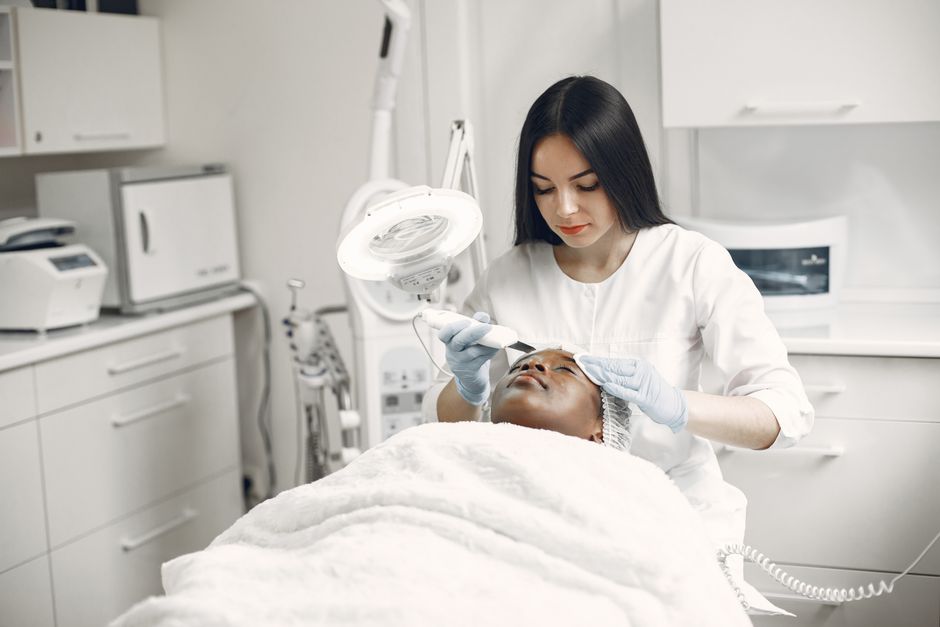
Transparency and Technology
Whether you are getting injectables or using advanced laser technology, the device is an extension of the practitioner’s hands. I always ask: "When was this serviced?" and "Is this TGA/Medsafe approved?"
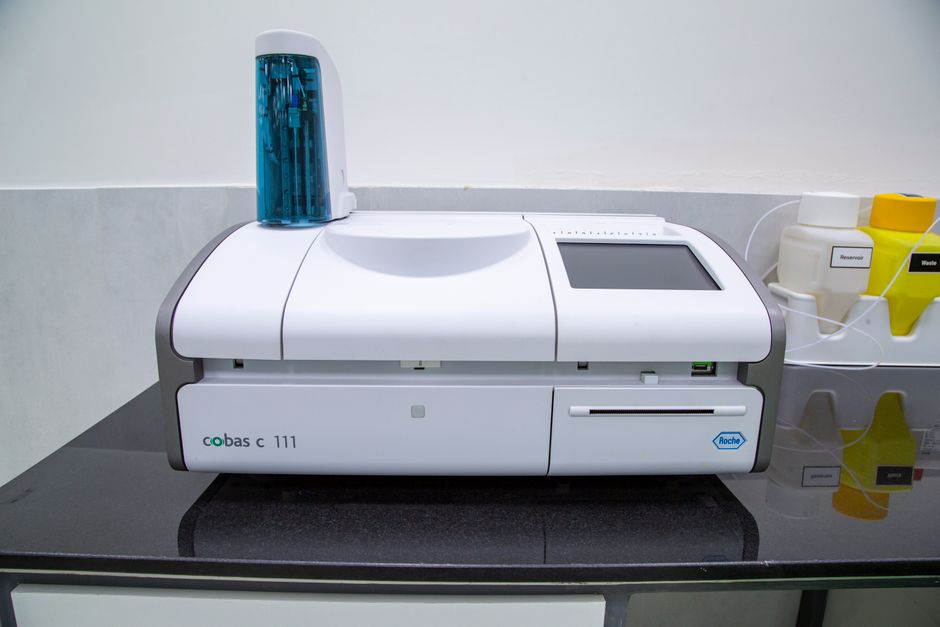
There are countless grey-market devices being imported into clinics that have not gone through the rigorous testing required for medical-grade performance. A professional clinic will be proud of the high-end equipment they have invested in and will happily talk about why they chose that specific machine to treat your specific concerns.
Final Thoughts: Your Face, Your Rules
At the end of the day, you are the final gatekeeper for your own health. aesthetic treatments for dark spots When you choose a provider, you are entering into a long-term relationship. Treat the medical consultation as an interview; you are the employer. If the answers don't satisfy you, if the clinic feels more like a retail store than a medical facility, or if you feel pressured into a "discount" treatment—walk away.
Your safety is never worth a discount. Protect your skin, prioritize the credentials of your injector, and always demand the truth about the procedures you are paying for.
Note: This content is for educational purposes and is not a substitute for professional medical advice. Always speak directly with a qualified medical practitioner regarding your health. For details on how data is handled, please review our privacy policy.