I remember a time, not that long ago, when waiting for the 4:05 PM bus meant watching the horizon. You’d shift your weight, perhaps check your watch, maybe strike up a conversation with the person standing next to you if the silence grew thick enough. Today, the horizon is empty. Everyone—myself included—is locked into the same rhythmic dance: the downward tilt of the head, the flick of the thumb, the blue-light glaze. It is our new universal language.
After nine years covering the intersection of technology and local lifestyle in this city, I’ve stopped asking *why* people use their phones and started asking *how* those phones eventually start using them. We often talk about "addiction" as if it were a moral failing, but in reality, it’s much more clinical. It is a masterclass in behavioral architecture. The apps you rely on every day aren't just tools; they are sophisticated engines designed to map themselves onto your nervous system until your use of them becomes as automatic phone behavior as breathing.
The Architecture of the Loop: Cue, Routine, Reward
To understand why you reach for your smartphone the moment your coffee hits the table, you have to look at the psychological framework that developers use to keep you tethered. It’s the classic cue routine reward cycle, and it is the backbone of most habit formation apps.
Consider the structure:
- The Cue: It could be a phantom vibration, a notification badge, or, most commonly, the "boredom cue"—that specific, nanosecond gap in your schedule when you are waiting for a page to load or a train to arrive. The Routine: The physical act of unlocking the device and navigating to your preferred streaming platform or social feed. The Reward: A burst of novelty, a hit of social validation, or the temporary anesthesia of high-quality, on-demand entertainment.
The problem is that your brain is an energy-saving machine. It seeks the path of least resistance. Once a routine is solidified, your brain stops thinking about it. You don't "decide" to check your phone anymore; you simply find yourself in the middle of a scroll, wondering how you got there. That is the moment the app has won.

Micro-Breaks and the Death of Daydreaming
Modern life is fragmented. We live in a world of "micro-breaks." We have eliminated the dead space in our lives. If you have thirty seconds of transit time, you fill it. If you have a minute between meetings, you fill it. This shift in how we handle micro-break relaxation in modern schedules has fundamentally altered our ability to synthesize information.
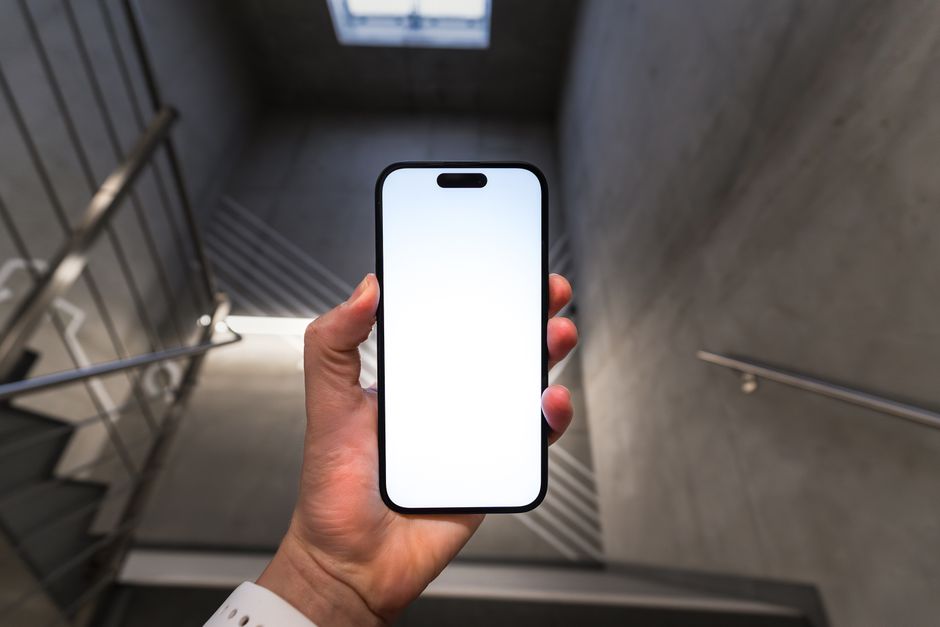
In the past, these gaps were where our brains did their heavy lifting—processing emotions, brainstorming ideas, or simply resting. Now, these gaps are immediately swallowed by the screen. On-demand entertainment replacing planned downtime is perhaps the most significant lifestyle shift of the last decade. We no longer wait for "Must-See TV" at 8:00 PM; we consume content in six-minute increments, effectively turning our commutes and lunch evening phone habits breaks into a continuous, never-ending broadcast.
Why Mobile-First Design Expectations are the Silent Enabler
You’ve likely noticed that if an app takes more than two seconds to load, you feel a visceral surge of frustration. This isn't just impatience; it's a conditioned response. Developers have spent the last decade perfecting mobile-first design expectations, prioritizing fast load times, frictionless navigation, and touch-optimized interfaces that feel like an extension of your own hand.
When an app is designed this well, the "friction" that would normally cause you to pause or reconsider opening it is stripped away. If you have to tap three times to get to your video feed, you might stop. If the app opens directly to a video that starts playing instantly, you are trapped in the loop before you can even register the intent. This "effortless" design is the secret sauce of automatic phone behavior.
The Evolution of Interactive Entertainment
It isn't just passive watching anymore. The industry has moved toward interactive entertainment and real-time formats to keep us engaged. Think of the shift from a pre-recorded YouTube video to a live-streamed interaction, or the way streaming platforms now use algorithms to suggest "what’s next" with terrifying accuracy.
These real-time formats create a sense of urgency. When you’re watching a live feed or participating in a comment section, you aren't just consuming media; you’re participating in a social event. This immediacy creates a higher dopamine spike, making it much harder to put the phone down once the "event" has ended.
Comparison: The Shift in Habit Formation
To really visualize how our relationship with technology has changed over the last two decades, look at the following breakdown:
Feature The Pre-Smartphone Routine (2005) The Modern Routine (2024) Downtime Reading a book, daydreaming, observing the world. Scrolling, streaming, clearing notifications. Entertainment Scheduled, appointment-based (TV, cinema). On-demand, algorithmic, infinite scroll. Interface Static, hardware-heavy, limited feedback. Haptic, fluid, instantaneous response. Trigger External (a commercial, a specific hour). Internal (anxiety, boredom, phantom habit).Reclaiming the "Dead Space"
I don’t write this to suggest you should throw your smartphone into the harbor. We are long past the point of return for digital connectivity. However, there is power in recognizing the cue routine reward cycle for what it is. When you reach for your phone during a elevator ride, ask yourself: *Is this a conscious choice, or is this the app running my subroutines?*
The habit of checking your phone is often a defense mechanism against the discomfort of being alone with your thoughts. By replacing that space with on-demand entertainment, we are effectively choosing to be less present. The next time you find yourself in a micro-break, try an experiment: keep the phone in your pocket for just those sixty seconds. Let your brain recalibrate. Look at the skyline, notice the weather, or observe the people around you.
Practical Steps to Break the Auto-Pilot
- Audit Your Cues: Identify the specific times (e.g., waiting for the coffee machine, sitting on the bus) where your phone use is most automatic. Add Friction: Move your high-engagement apps (streaming, social) to a folder on the second page of your home screen. The extra swipe adds just enough friction to let your conscious brain take the wheel. Turn Off Non-Human Notifications: If it isn’t a message from a person, it shouldn’t ping. Remove the "Reward" trigger from your lock screen. Embrace Boredom: Treat those empty minutes as a rare, valuable commodity. They are the only time your brain gets to do its own housekeeping.
The apps are designed to be frictionless, but life shouldn't be. Sometimes, the most important thing you can do for your mental clarity is to introduce a little bit of resistance back into https://bizzmarkblog.com/the-phantom-reach-how-habits-form-around-apps-without-you-noticing/ your day. We’ve traded our horizons for pixels, but we can still choose where we look.