I’m sitting here on my couch, my trusty water bottle—the one with the dent from when I dropped it at PAX three years ago—sitting on the coffee table next to my Switch. I’ve just finished three levels of Picross, a "micro-downtime" ritual I use to bookend my workday. It takes about one subway ride to finish those levels. My brain, previously frayed by emails and Slack notifications, feels quiet. But I have to ask: am I actually resetting, or am I just leaning on a digital crutch to avoid the silence of my own thoughts?
We see it everywhere. Gaming is no longer just a hobby; it’s being packaged as a wellness strategy. But as someone who spent years modding Discord servers and watching the streaming industry explode, I’m wary of the "wellness" label. If I hear one more corporate HR rep talk about "leveraging digital engagement for employee mindfulness," I’m going to throw my controller out the window. Let’s drop the buzzwords and look at the actual reality of social connection gaming and how we can use our devices without letting them turn our brains into mush.
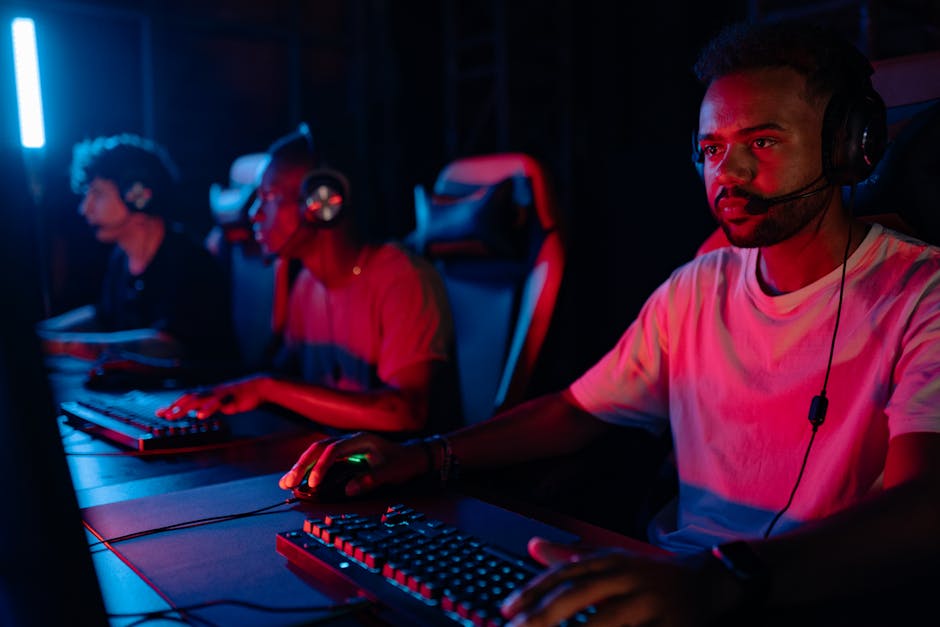
The Decompression Myth: When Gaming Becomes Labor
There is a massive difference between "decompression" and "avoidance." When we talk about online communities, we often assume they are inherently good because they connect us with like-minded people. And sure, they can be. But if you’re logging into a multiplayer match or a server because you’re afraid of what you’ll feel if you sit in a quiet room for five minutes, that’s not wellness. That’s a dependency.
I’ve seen the rise of streaming culture turn what should be a private sanctuary—our gaming time—into a performance. When you’re streaming, or even just constantly checking your Discord mentions, you’re never truly "off." You’re still monitoring, responding, and performing. That’s not a reset; that’s just a different kind of work. If your gaming session feels like a shift at the office, you aren't decompressing. You’re just changing your environment while keeping the same mental tension.
The Power of Portable Gaming: Micro-Downtime vs. The Grind
This is where handheld consoles and smartphones change the game. For years, the PC desktop setup was the standard—a "command center" that felt like a place of labor. But handheld gaming? That feels like something else entirely. It’s flexible. It’s tactile. It’s built for "micro-downtime."
Micro-downtime is that 15-minute chunk of time between tasks. Instead of doom-scrolling Twitter (which, let’s be honest, is a mental health nightmare), opening up a handheld for two matches or one quick level provides a contained, manageable burst of stimulation. The key here is the *containment*. Handheld devices allow you to set a clear start and end point. You aren't disappearing into a 12-hour raid; you're taking a 15-minute breather.
Comparing Gaming Habits
To help you figure out if your current relationship with gaming is actually helping or just distracting, take a look at this breakdown:

Why "Screen Time Balance" Isn't Just About Numbers
I hear people shaming themselves for "too much screen time" constantly. Let’s stop that right now. The number of hours you spend in front of a screen is a useless metric if you don’t account for *how* you’re spending those hours. Staring at a spreadsheet for eight hours is not the same as spending two hours playing a cozy, single-player game or laughing on voice chat with friends while exploring a digital world.
Screen time balance is less about a stopwatch and more about the quality of the engagement. Are you choosing the screen because it offers something positive, or because you’re bored/anxious/avoidant? If you are gaming to feel connected, ensure that connection is genuine. Are you in an online community where you’re just spamming memes for validation, or are you actually building a rapport with human beings? There is a massive, tangible difference in how your nervous system responds to those two things.
Actionable Steps for the Portable Gamer
Vague advice like "go touch grass" or "try digital detoxing" is useless. You’re here because you love games, and you want to keep playing them. So, how do we make that sustainable? Here are a few things that actually work, based on my decade in the trenches:
The "Three-Match" Rule: When playing competitive games on a smartphone or handheld, commit to a strict limit. "I am playing exactly three matches." When those are done, put the device down—even if you’re on a winning streak. This preserves the "reset" feeling instead of chasing a high that inevitably leads to burnout. Separate your "Social" space from your "Solo" space: If your mental health is tanking, move your social gaming to specific times of the week. Don’t make every session a social one. Keep your solo, handheld-focused time for genuine decompression where you don’t have to "be on" for anyone. Mind the "Streamer Mindset": If you find yourself narrating your gameplay in your head as if you’re performing for an audience, stop. That’s a sign that you’ve internalized the performative nature of streaming. Put on some music, mute the voice chat, and play for yourself. Hydrate by Design: I mentioned my water bottle earlier. Keep it next to your Switch or phone. Every time you finish a "chunk" of gameplay (a match, a level, a quest), take a sip of water and stretch your neck. It sounds simple, but it breaks the "trance" and reconnects you to your physical body.The Reality of Burnout in Online Communities
I spent enough time as a mod to see the cycle: someone joins a community because they’re lonely, they become hyper-invested, they burn out, and they leave, often more bitter than when they arrived. Social connection gaming is a powerful tool, but like any tool, it can cause injury if used improperly.
Don't look to your online friends to solve your IRL emotional problems. They aren't equipped for it, and it puts an unfair weight on those relationships. Instead, use these communities to foster light, low-stakes joy. If a server starts feeling like a source of anxiety—whether it’s because of drama, constant notification pings, or just the feeling that you *have* to check in—mute it. Don't feel guilty. Your mental health is the priority; the community will still be there when you come back, and if it won't, then it wasn't a healthy place to begin with.
Final Thoughts: Play Because You Want To
Gaming has the potential to be one of our most effective tools for mental reset. It’s an interactive flow state that can pull us out of ruminative thought loops and into the immediate, solvable reality of a game world. That is valuable. But it requires an active, conscious engagement with how we use it.
So, the next time you pick up your smartphone or Switch for a quick session, ask yourself: "Am I doing this to feel better, or to stop feeling something else?" Both are human. Both are okay. But being honest about the difference is the only https://smoothdecorator.com/is-portable-gaming-making-screen-time-problems-worse-for-adults/ way to make sure that the games you love continue to be a source of life, rather than another thing you’re just trying to get through.
https://bizzmarkblog.com/the-one-more-game-paradox-how-to-actually-protect-your-sleep-without-being-a-buzzkill/Now, if you’ll excuse me, I have one more level to finish—and my water bottle is half-empty, which means I’m due for a break.