In recent years, gaming has undergone a remarkable transformation. What once was a niche pastime—often portrayed through stereotypes as the sole domain of a young, male demographic—now commands a robust presence in popular culture. The ubiquity of games in everyday life is palpable, from casual mobile puzzle apps to massive multiplayer online adventures streaming on countless platforms. But the question remains: is gaming truly mainstream now, streaming recommendations or has it simply become more visible?
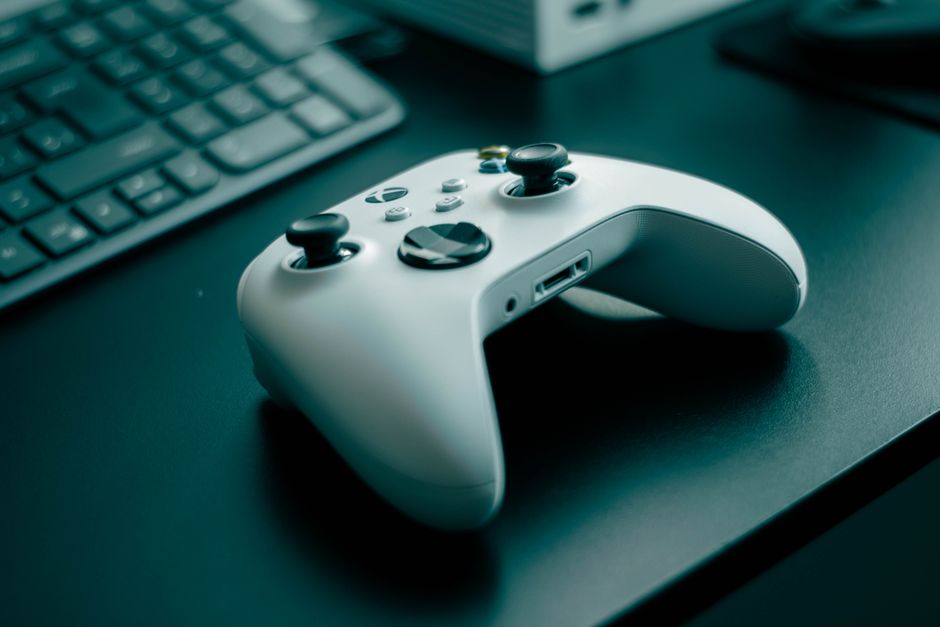
To unpack this, we must explore the evolving landscape of entertainment, changes in demographic engagement with gaming, and how media consumption habits in the digital age reinforce gaming’s perceived role. Insights from organizations such as the Pew Research Center and industry sources like MRQ (Market Research & Quality) provide empirical data on gaming demographics, while platforms supporting streaming and mobile apps offer glimpses into interactivity reshaping consumption habits.

Image Source: UnSplash/Unsplash
The Convergence of Entertainment Categories
Gaming's rise is inseparable from the broader convergence of entertainment categories. Historically, entertainment lines were distinct—movies, television, music, books, and games mostly occupied separate spaces with discrete audiences. However, this segmentation is dissolving fast. Streaming services, once primarily for video-on-demand, now integrate live game streaming channels. Mobile apps combine gaming mechanics with music, storytelling, and social networking layers. This fusion fosters hybrid consumer experiences that blur traditional boundaries.
For example, platforms like Twitch and YouTube Gaming, initially niche, have exploded into mainstream destinations. They merge passive video consumption with the active, participatory nature of games through live chats, community-driven content, and influencer culture. These platforms are now as much about social engagement as gameplay, positioning gaming as a core, connective entertainment medium embedded deeply into the streaming ecosystem.
From Passive to Interactive Experiences
Perhaps one of the biggest paradigm shifts is moving away from purely passive media consumption to interactivity — gaming embodies this shift. Traditional media consumers watch movies or listen to music, mostly absorbing content. Gaming, by contrast, requires active participation, decision-making, and, often, social collaboration or competition.
This interactivity appeals across demographics and generations. Mobile games like puzzle titles or word games that engage short daily play sessions fit easily into multitasking lifestyles, while immersive console and PC titles offer deeper narrative and social experiences. The rising trend of interactive storytelling—seen in game-based narratives and streaming culture—further invites broader audiences who seek agency within entertainment.
Gaming Demographics: Expanding Horizons
To evaluate gaming’s mainstream status, understanding who is playing is essential. According to a 2023 study by the Pew Research Center, nearly 70% of Americans play video games regularly, cutting across gender, age, education, and income strata. This marks a significant shift from prior decades where gaming was often considered the milieu of teenagers or young men.
Demographic Group Percentage Playing Games Regularly Common Platforms Used Women (18-35 years) 65% Mobile apps, consoles, social games Adults (36-55 years) 56% Mobile apps, PC casual games, consoles Seniors (55+ years) 30% Mobile puzzle games, social games, tablets Teens (13-17 years) 85% Consoles, PC, mobile appsMRQ’s recent data similarly highlights that the average gamer today is no longer a teen boy in a basement. The surge in mobile gaming, in particular, has democratized access and expanded participation among groups that traditional consoles or PC gaming had limited reach to. Casual titles that are easy to pick up, social, and often free-to-play dominate, lowering barriers and facilitating participation by people who identify gaming as casual fun rather than an intensive hobby.
Gaming as an Intergenerational Activity
One fascinating outcome of gaming becoming more inclusive is how it serves as an intergenerational bridge. Many families now share gaming habits, whether through mobile games during commutes or cooperative multiplayer experiences on consoles. This fosters common cultural touchstones, deepening gaming’s role in broader popular culture and social fabric.
Multi-Platform Daily Media Switching and Gaming’s Place
The modern media consumer rarely stays confined to one platform or mode of entertainment. Daily media switching across streaming services, social media, mobile apps, and gaming is the norm. This fluid engagement favors gaming’s incorporation into everyday life: it can be fractionally experienced or deeply immersive depending on time and interest.
- Streaming services: Platforms like Netflix and Disney+ are beginning to experiment with games integrated within their apps or through "choose your own adventure" interactive content, signaling a merger of gaming with traditional streaming. Mobile apps: Easy accessibility and short session lengths make mobile gaming an ideal complement to brief media interludes during commutes, breaks, or social interactions. Social media: Integration of gaming features such as mini-games on platforms like Facebook or Snapchat extends gaming’s reach into daily communication and sharing culture.
As a result, gaming is less a separate hobby and more an embedded habit—that could be a quick level clearance on a mobile phone, a multiplayer session with friends on a console, or watching a streamer play a competitive esport. The boundaries between entertainment types have softened significantly.
The Visibility vs. Mainstream Debate
So, is gaming mainstream or just more visible? The answer is nuanced:
More Visible But Also More Embedded: Gaming certainly benefits from amplified visibility thanks to streaming culture, influencer marketing, and social media amplification. However, this visibility correlates closely with genuine mainstream adoption. Accessibility Has Democratized Gaming: The growth of mobile apps and cross-platform games means that gaming is a daily activity for a diverse, demographic-crossing audience. Interactivity Defines New Media Consumption Norms: Gaming's participatory nature resonates with expectations built by digital media environments that encourage engagement, agency, and social interaction. Entertainment Convergence Reinforces Gaming’s Role: The blending of gaming with streaming and social platforms embeds it deeper into popular culture and collective media habits.Given these dynamics reflected in data from the Pew Research Center and market insights from MRQ, gaming’s integration into daily life suggests it has surpassed the threshold of niche hobby status and is now undeniably mainstream.
Final Thoughts
Gaming’s journey from the fringes of entertainment to a cornerstone of popular culture is a testament to both technological evolution and shifting consumer behavior. It is no longer just visible—it is omnipresent. The convergence of entertainment categories, growing cross-demographic participation, and daily multi-platform media switching confirm gaming’s mainstream status.
For creators, marketers, and cultural commentators, this means gaming is not a passing trend but a foundational element of modern media. Understanding, engaging with, and respecting this medium’s place in culture is essential to staying relevant in an ever-evolving media landscape.
As gaming continues to evolve with new technologies and social formats, its mainstream adoption will likely deepen further, enriching popular culture in unprecedented ways.
