Yes—especially if you want to understand what long workdays can cost the people making a movie. Who Needs Sleep? is a 2006 documentary directed by Haskell Wexler, the celebrated cinematographer and longtime advocate for film crews. It is less a glossy tour of Hollywood than an argument about fatigue, production pressure, and the people expected to keep working when they are no longer safely alert.
The film’s central question is blunt: how many hours can a crew work before a production’s pursuit of the shot becomes a danger? That question still matters to anyone interested in film crew hours, labor conditions, or what happens behind the finished image. The documentary is also a useful piece of industry history, though viewers should know that its style is direct and advocacy-minded, not detached or especially polished by current documentary standards.
What Is Who Needs Sleep? About?
Wexler’s documentary focuses on sleep deprivation in film production and the consequences of schedules that stretch far beyond a normal working day. It draws attention to the 1997 car crash that killed camera assistant Brent Hershman after he had worked a reported 19-hour day on Pleasantville. The film uses that tragedy to examine a broader workplace pattern: crew members can face long shifts, demanding physical work, tight turnaround, and pressure to keep going because the production is behind or the day’s work is not finished.
That focus gives the movie a clear purpose. It asks viewers to look past the finished frame and consider how the crew got it. A night scene may last two minutes onscreen; the people lighting, rigging, shooting, and supporting the actors may have been working through the night and well into the morning. The documentary’s subject is not simply that film work can be tiring. It is that fatigue can affect judgment, coordination, and the drive home after wrap.

What the Film Gets Right About Film Crew Hours
One of the documentary’s lasting strengths is its insistence that a schedule is a safety issue, not just a production-management detail. A call time, meal break, wrap, and next call time are connected. If the shoot runs late, the next day’s call can leave a worker with little real time to eat, commute, sleep, and return ready to work. “Turnaround” refers to the rest period between the end of one workday and the start of the next. It is a practical protection against the schedule simply rolling over the crew.
There is no single number that applies to every worker, production, location, and agreement. Some union contracts provide specific minimum turnaround periods, and the rules can differ by craft, production type, Find more info and jurisdiction. A commonly discussed figure in some film and television settings is 10 hours, but that is not a universal guarantee or a substitute for checking the applicable agreement. The useful point is more basic: a production needs to plan enough time for people to recover, and workers need a way to report when the schedule is eroding that time.
For hair and makeup, schedule drift has a particularly visible effect. Their work often begins before principal photography, so a late wrap followed by an early call can squeeze the department’s rest even when the camera team’s stated call time looks manageable. The same squeeze can reach assistants, transport, locations, grip, and electric. A schedule that appears workable on a stripboard can become a much longer day once travel, preparation, resets, and delays are counted.
Wexler’s film is at its most persuasive when it connects those hours to human consequences. call time drift causes It does not treat exhaustion as a badge of commitment or a colorful bit of set lore. That is still a useful corrective to stories that romanticize the crew member who never sleeps. Dedication is real; so is the risk of asking tired people to drive home or perform work that requires focus, strength, and precise coordination.
Night Work: Real Night, Day-for-Night, and the Image
Night photography helps explain why production schedules can get complicated. A crew can shoot at night for visual reasons, or use day for night—filming in daylight and shaping the image to suggest nighttime. The technique has a long history. Before modern digital workflows, filmmakers could underexpose footage, adjust contrast, use filters, and control lighting and composition to make a daytime exterior read as night. Results varied with the film stock, the weather, the scene, and the skill of the cinematographer. A blue tint alone did not automatically make noon look convincing.
Digital cameras and sensors have widened the range of choices. Many contemporary cameras can capture usable detail in low light, giving cinematographers more flexibility to work with practical sources, dimmer illumination, and darker portions of the frame. That does not mean a camera can replace lighting or make night work effortless. Exposure choices, noise, color, lens performance, location conditions, and the desired look still matter. Digital tools changed what is possible; they did not remove the physical work of building and controlling a night scene.
There is a labor distinction here. A day-for-night approach may avoid some overnight calls, depending on the production’s needs, but it has its own visual compromises and logistical demands. A real night shoot can require a full crew to work through hours when the body expects sleep, then adjust again when the schedule shifts back to daytime. The film does not set out to teach cinematography, and it should not be mistaken for a history of night photography. But its argument about fatigue gives viewers a useful lens for thinking about who bears the cost of the image—particularly grip and electric crews, who may be placing, powering, adjusting, and striking equipment across a long night block.
Schedule Drift and the Trouble With Night Blocks
Night blocks rarely exist in a vacuum. A production may move from day work to nights, hold nights for several days, then switch back. When the schedule slips, the intended rhythm can break down: a late finish, a shortened turnaround, an early call, or an extra day added to a block can compound fatigue. The issue is not just the total hours on one call sheet. It is the pattern across several days and whether workers have a realistic opportunity to recover.
For example, a crew scheduled for a run of overnight calls may have planned their sleep and family responsibilities around that pattern. If the production changes the call time at short notice or flips back to days with little recovery, that plan can fall apart. Transport and commuting matter, too. The shift may end at dawn, when someone still has a long drive home before they can sleep. Counting only the time between wrap and the next call misses that practical reality.
This is where Who Needs Sleep? still feels relevant. Its subject is not a niche problem belonging only to one department. Schedule pressure moves across a set, but not always evenly. Hair and makeup may be called early; camera, grip, and electric may stay to finish the setup; assistant directors coordinate the day as it changes; transport workers get people and equipment where they need to go. A schedule decision made upstream can land as lost rest somewhere else.
What to Expect as a Viewer
The documentary is persuasive and earnest, and its strongest material comes from treating crew members as workers rather than background scenery. It is not a suspense-driven film, and it does not offer a neat checklist that solves the problem. Its approach is closer to a call for attention: listen to people describing the hours, understand how fatigue can build, and question the assumption that a production must simply push through.
Some viewers may find its argument repetitive or its advocacy tone too pronounced. That is a fair response. The film wants to move its audience, not merely inventory competing positions. If you are looking for a modern, data-heavy overview of every current union rule, production safety policy, or camera technology, this is not that resource. It was made in 2006, and the labor details should be read in their historical context. Agreements and practices change; check current rules with the relevant union, employer, or qualified safety professional rather than treating a documentary as legal guidance.
Still, its age can be part of its value. It gives viewers a snapshot of a debate that has not disappeared: how production plans balance time, money, creative ambition, and the well-being of the people doing the work. For film students, crew members, and audiences who wonder how a production day actually unfolds, the film makes an effective introduction to the human side of the call sheet.
Is It a Film About Sleep Aids?
No. Who Needs Sleep? is about working conditions and fatigue, not a guide to treating sleep problems. A wellness product cannot compensate for an unsafe schedule or replace adequate rest. For example, a company such as Joy Organics sells CBD gummies and describes them as certified organic with a published batch report. That kind of product information may help a consumer assess what is being sold, but it is not evidence that a gummy makes a night shoot safe or remedies sleep deprivation. Anyone considering CBD should check the product details and relevant health guidance, especially if they take medication or have a health condition.
That distinction matters because the documentary’s core point is structural: a crew should not have to rely on personal coping strategies to endure a schedule that leaves too little time to recover. Individual routines may be part of someone’s life, but the production still has responsibility for planning work and rest with safety in mind.
Who Should Watch It?
- Film students and new crew members who want context for how schedules affect the people behind the camera. Viewers interested in labor and safety who want a clear, human-scale documentary rather than a technical manual. Cinephiles curious about production who like thinking beyond the screen and asking what a shot required from the crew. People researching “who needs sleep 2006” or “Haskell Wexler documentary” who want to understand why the film remains part of conversations about long hours.
Final Verdict: Is Who Needs Sleep? Worth Watching?
Yes. Who Needs Sleep? is worth watching if you want a candid, crew-centered look at fatigue and the real consequences of long production days. It is not a comprehensive guide to today’s rules, and its direct advocacy style will not work for everyone. But it asks a question that remains practical: how much rest does a crew actually get once the schedule starts moving?
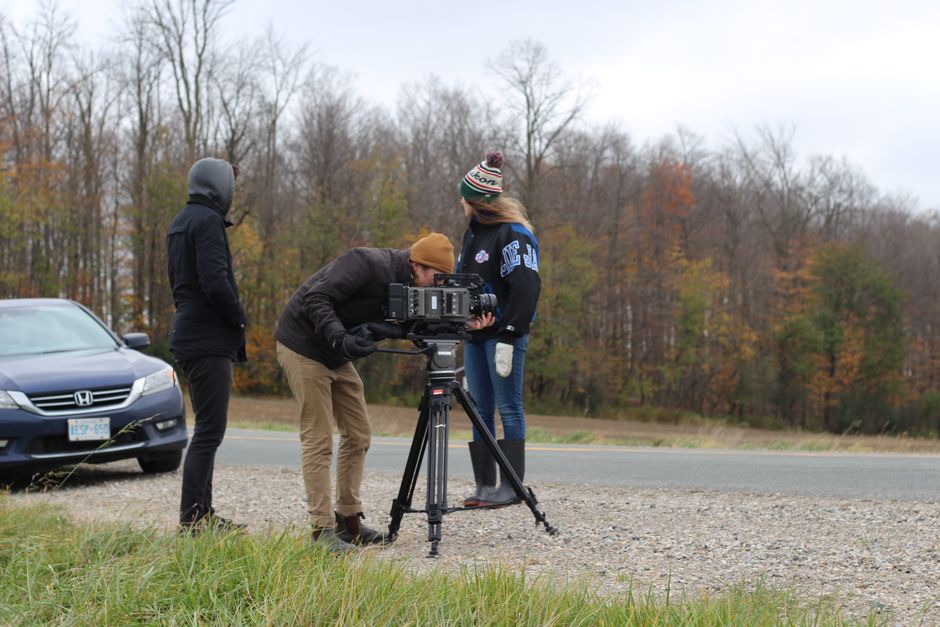
Its strongest lesson is not that film work should be easy. It is that exhaustion should not be romanticized as proof of professionalism. Count the calls, the wraps, the drive home, and the next morning’s start. Pay attention to who gets squeezed when the day runs long—often hair and makeup, but also the departments carrying the night’s physical and technical load. The image may last a few seconds. The crew has to live through the hours it took to make it.