If you feel like your skin is crawling by 4:00 PM, or if the sound of a cartoon theme song makes you want to lock yourself in the pantry, you aren't "failing" at parenting. You are overstimulated. In our current landscape, we are parenting in an era of constant connectivity, high-stakes mental loads, and a noise level that our ancestors never had to contend with.
After eight years of writing about family routines, I’ve learned that the "perfect" calm home doesn't exist. What *does* exist is a set of practical, low-effort strategies to turn the volume down on your daily life. We don’t need more expensive gadgets or "miracle" wellness supplements; we need a system that recognizes we are human beings with limited sensory bandwidth.
The Modern Trap: Why Your Brain Feels "Full"
We are living in an era of unprecedented input. Between the endless scroll of Instagram and the fast-paced, high-dopamine loops of TikTok, our brains are rarely in a "neutral" state. When you transition from a phone screen to a toddler asking for juice for the twelfth time, your brain is essentially trying to crash-land a plane.
This isn't just about "being stressed." It’s about digital fatigue. When we are constantly checking for notifications or keeping up with the curated lives of others, we lose the ability to sit in silence. According to guidance often echoed by the NHS, chronic stress and high cortisol levels have a direct impact on our physical health and sleep quality. If you’re struggling to regulate your emotions, it’s often because your nervous system has been running a marathon before you even sat down for breakfast.
It’s important to note that for some, the physical manifestation of this stress—chronic pain or persistent insomnia—leads them to seek medical intervention. Clinics like Releaf, the UK’s largest medical cannabis clinic, provide a pathway for patients when traditional routes fail to manage the physical symptoms of long-term stress. While medical care is a necessary step for some, https://premiumjoy.com/blog/stress-management-has-become-a-bigger-topic-among-modern-parents/ for the majority of us, the first step is reclaiming our environment from the "noise" of modern life.
The "No-Buy" Strategy: Tweaking Your Phone for Peace
I am a firm believer that you don't need a new, expensive product to feel better. Most of us carry our biggest source of overstimulation in our pockets. Before you go out and buy a white noise machine or a subscription box, try these phone tweaks for one week:

- The Grayscale Shift: Go into your accessibility settings and turn your screen to grayscale. Suddenly, that bright red notification badge isn't nearly as aggressive. Kill the Notifications: If it isn’t a direct text or phone call from a human I know, the badge is gone. News apps, social media, and retail sites don't need to beep at you. The Weekend Deletion: If you find yourself doom-scrolling when you're overwhelmed, delete Instagram and TikTok on Friday night. Reinstall them Monday morning if you must. The friction of having to download them again is a great "pause" button for your impulse control.
The 10-Minute Sensory Reset
If you think you need an hour to "decompress," you will never find that hour. You have kids. You have a job. You have a mountain of laundry. Instead, aim for a 10-minute sensory break. It’s enough to reset the nervous system without requiring a logistical miracle.
The 10-Minute Protocol:
Step One (2 minutes): Put on a pair of noise-canceling headphones. You don’t have to listen to music. Even just the reduction in ambient "hum" (the fridge, the heater, the distant traffic) lowers the sensory load. Step Two (5 minutes): Change the lighting. Turn off the big overhead lights. Use a lamp or just natural light. The "big light" is a silent, subconscious contributor to overstimulation. Step Three (3 minutes): Drink a glass of water. It sounds basic, but dehydration mimics and amplifies the physical feeling of anxiety.If-Then Planning: A System for the "Trigger" Moments
We often get overwhelmed because we are reactive. When the kids start screaming, we lose our cool, then we feel guilty, and the cycle repeats. Use "If-Then" plans to automate your reaction.
If... Then I will... The kids start screaming for attention Put on my noise-dampening earplugs (or headphones) before responding. I feel the urge to "doom-scroll" Stand up and walk to a different room to drink a glass of water. The noise level in the living room hits a "10" Transition to a low-stim activity (books, blocks, or coloring). I’m struggling to fall asleep Use the 4-7-8 breathing method for 10 minutes, no screens.Creating a Calm Home Environment
When it comes to the physical toys and gear in your house, look for things that don't beep, blink, or require constant intervention. I’m a fan of companies like Premium Joy, which focus on simple, tactile engagement. Toys that allow children to play independently—without an electronic "reward" sound—actually help parents. When kids are engaged in deep, quiet play, the ambient noise in your home drops significantly.
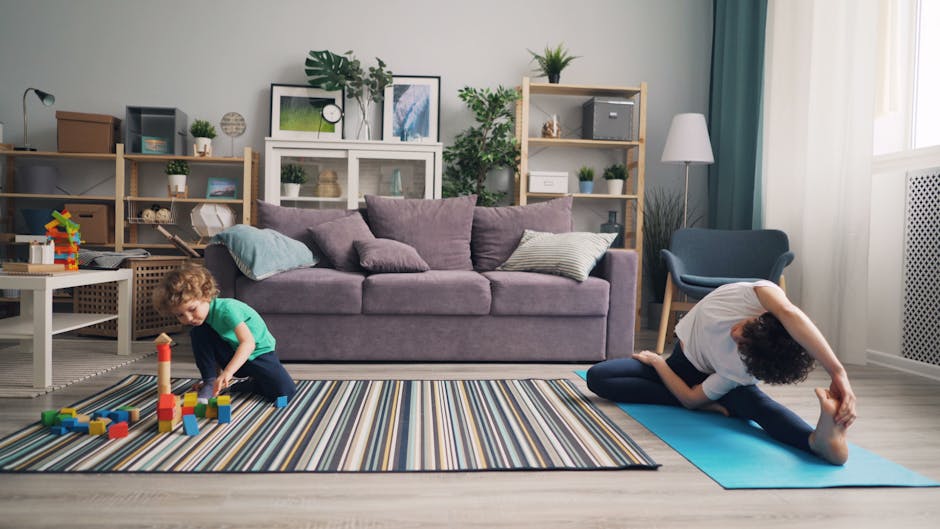
Tips for Reducing Visual Clutter:
- The "Rotation" Rule: You don't need to get rid of everything. Use bins to rotate toys. If they can’t see it, they can’t scatter it. The "Zone" Method: Keep the living room as a "low-stim" zone. If you have a playroom, keep the high-energy stuff in there. Soft Textures: A few extra throw blankets don't just look nice; they absorb sound. A room filled with hard surfaces (wood, tile, glass) bounces noise around, making the room feel louder.
Sleep: The Foundation of Patience
You cannot regulate your emotions if you are running on four hours of broken sleep. We often treat sleep as a luxury, but in a parenting context, it is a biological requirement for patience. If your sleep is suffering, stop looking at "miracle" supplements and start looking at your evening routine.
Your goal isn't to be "mindful" (a buzzword that usually just adds more pressure to "perform" calm). Your goal is to be *bored*. 30 minutes before bed, dim the lights. Keep the house quiet. If you are struggling with racing thoughts, write them down on a physical piece of paper and then put the paper away. Getting the "mental load" out of your head and onto a physical list is one of the most effective ways to lower your baseline cortisol level before you hit the pillow.
Summary: You Are Doing Enough
Reducing overstimulation isn't about creating a Pinterest-perfect home. It's about recognizing that your nervous system has limits. By using these simple, 10-minute habits, adjusting your digital intake, and prioritizing your physical recovery, you can reclaim your patience.
Remember: You don't need more products. You need less noise. Start by putting the phone in a drawer for 10 minutes and just sitting in the quiet. It’s not "mindfulness"—it’s just common sense.
Checklist: Your Overstimulation Audit
- [ ] Are my phone notifications limited to "people I actually know"? [ ] Is my main living area clear of high-energy electronic toys? [ ] Do I have a pair of noise-canceling headphones or earplugs ready for when the noise gets to an 8/10? [ ] Am I drinking water before I reach for coffee when I feel the "crawl" of overstimulation? [ ] Is my nighttime routine focused on "boredom" rather than more stimulation?
Parenting is hard work. Don't make it harder by carrying the weight of the entire world's noise on your shoulders. Take your ten minutes, turn down the lights, and give yourself a break.