For years, the beauty industry sold us a narrative of “fixing.” We were taught that the primary purpose of body care was to correct perceived flaws—to firm, smooth, brighten, or erase. But as we navigate a world that feels increasingly fragmented, a quiet revolution is taking place in our bathrooms. We are moving away from the vanity-led routine and toward an emotional recovery routine.
This shift isn’t just about putting on lotion; it’s about nervous system regulation, intentional sensory input, and reclaiming your personal downtime. As a wellness editor, I’ve spent the better part of a decade reviewing formulas and translating industry jargon. Today, I want to show you how to curate a ritual that supports your mental wellbeing, grounded in evidence-based habits rather than fleeting trends.
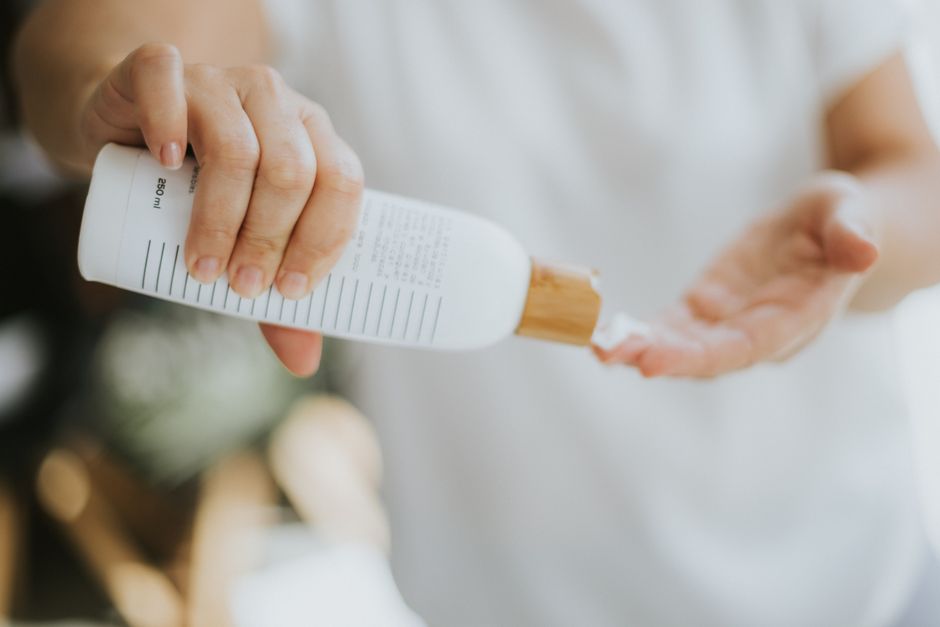
The Shift: From Appearance to Emotional Resilience
Why are we suddenly prioritizing our internal state over our outward appearance? The psychology of touch and the ritualization of self-care are potent tools for emotional recovery. When we engage in calming rituals, we signal safety to our bodies. By slow-applying a body oil or taking a focused shower, we engage the parasympathetic nervous system—the “rest and digest” state—which is crucial for anyone dealing with burnout, anxiety, or prolonged stress.
The goal is to shift your mindset: your body-care products are not just "beauty staples," but tools for grounding. When you view your evening shower or post-bath hydration as a therapeutic intervention rather than a chore, you turn a passive action into an active recovery strategy.
Navigating the Wellness Noise: TikTok, Instagram, and YouTube
If you have spent any time scrolling through TikTok, Instagram, or YouTube, you know the discovery process can be overwhelming. You are likely bombarded with "holy grail" products, detox trends, and miraculous ingredient claims. While social media is a fantastic tool for discovery, it is essential to approach it with a "filter" mindset.
Most viral wellness trends prioritize aesthetic appeal or "instant results," neither of which are sustainable for long-term emotional recovery. When using social media to build your routine, look for creators who emphasize:
- Ingredient Transparency: Are they explaining why an ingredient works, or just telling you to buy it? Personalization: Do they acknowledge that what works for one person’s skin (or emotional state) may not work for another? Accessibility: Are they grounding their recommendations in safety and cost-effectiveness?
Where to Find Reliable Information
In the UK, we are fortunate to have access to rigorous medical standards. Before adopting a new wellness trend—especially one involving supplements or advanced topicals—I always advise checking the NICE (National Institute for Health and Care Excellence) guidelines if you have underlying health concerns. NICE provides evidence-based guidance that can help you distinguish between legitimate wellness support and marketing hype.
Furthermore, when it comes sadshayri.net to integrative health, look toward reputable, medically supervised institutions. For example, Releaf, the UK’s largest medical cannabis clinic, offers educational resources that go far beyond just providing prescriptions. They often act as a beacon of transparency in a space (cannabinoids and plant-based wellness) that is frequently plagued by misinformation. Exploring the educational sections of clinic websites like Releaf can provide you with a high-level understanding of how botanical ingredients interact with your body’s endocannabinoid system, helping you make informed decisions about what to introduce to your recovery routine.
Building Your Personal Downtime Ritual
Personalization is the key to an effective emotional recovery routine. What is soothing to one person—a cold, invigorating shower—might be overstimulating for another. Your routine should be built around your specific sensory needs.
The Pillars of Emotional Recovery
The Sensory Audit: Identify what scents or textures ground you. Is it the smell of lavender, the weight of a heavy shea butter, or the cooling sensation of aloe? Ingredient Literacy: Learn to read the back of the bottle. If you are aiming for recovery, prioritize anti-inflammatory ingredients like colloidal oatmeal, CBD, niacinamide, or magnesium. Consistency over Intensity: A 5-minute daily ritual is more effective for emotional regulation than a 2-hour "spa day" once a month. Routine Stage Intentional Focus Product Category The Decompression Resetting the nervous system through sensory cues. Aromatherapeutic body wash (e.g., eucalyptus or chamomile). The Grounding Physical connection through intentional touch. Magnesium-rich body lotion or oil (supports muscle relaxation). The Protection Creating a boundary between you and the day. Barrier-repairing ceramide creams or calming botanical balms.Ingredient Transparency: Why It Matters
One of the most important aspects of reclaiming your body care is label literacy. Many products are filled with fragrance compounds that can be irritating, or marketing buzzwords that lack scientific backing. To build an emotional recovery routine, look for:
- Magnesium: Known for its ability to promote relaxation and aid in sleep quality when applied topically. Colloidal Oatmeal: A gold-standard ingredient for soothing stressed, reactive skin. Ceramides: These help repair the skin barrier, which can become compromised when we are physically and emotionally drained. Full-spectrum Botanicals: Understanding the difference between CBD oil, hemp seed oil, and full-spectrum extracts is vital. Referencing resources from clinics like Releaf can help you understand the therapeutic potential of these ingredients without falling for "greenwashing."
When you understand exactly what you are putting on your skin, you eliminate the "anxiety of the unknown." You aren't just applying product; you are engaging in a deliberate, informed act of self-preservation.

Final Thoughts: Consistency is the Real Cure
Building an emotional recovery routine is a lifelong experiment. It is not about reaching a destination where you are suddenly "fixed," but about creating a soft place to land at the end of every day. Use your personal downtime as a non-negotiable appointment with yourself. If you feel overwhelmed by the abundance of products on the market, strip it back. You do not need twenty steps; you need three that make you feel held, calm, and respected.
Always verify the claims you see on TikTok or Instagram against institutional knowledge. Whether you are consulting a GP, looking at NICE guidelines for managing stress-related symptoms, or reading expert-backed articles on Releaf, remember that your health is your most valuable asset. Take your time, read your labels, and choose rituals that bring you back to yourself.
Disclaimer: This blog post is for informational purposes only and does not constitute medical advice. Always consult with a healthcare professional before introducing new supplements or wellness products into your routine, especially if you have existing health conditions or are taking medication.