Gambling scenes have long been a staple in cinema, from the smoky backrooms of noir classics to the glossy casinos of modern thrillers. Yet screenwriters often fall into the trap of forcing tedious exposition dumps — long monologues about poker hands, betting structures, or odds that slow the scene to a crawl. If your goal is to show rules through action rather than telling, how can you craft a gambling scene that feels tense, cinematic, and crisp without drowning the viewer in jargon?
To answer that, we need to look beyond the obvious and treat the card table not just as a physical space but as a storytelling instrument—an immediate stake and structure for every scene. We'll explore the visual grammar of gambling in cinema, dive into the recursive relationship between film and casino game design, and unpack how to convey performance under pressure—the poker face problem—cinematically.
The Card Table as Instant Stakes and Structure
The card table is arguably the most potent set piece in any gambling scene. Unlike other kinds of risk, the table confines the drama spatially and thematically. It sets a timer on the scene’s tension: every deal, every bet, every fold advances the stakes and forces character decisions. That makes it a perfect natural structure for scenes that need built-in pacing.
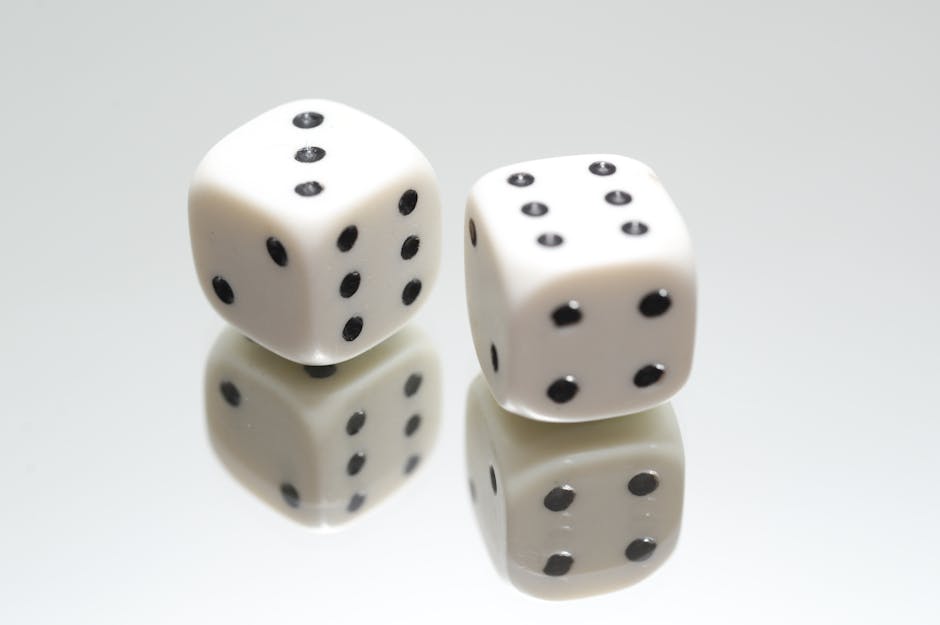
Think of the table as both a battlefield and a stage. Because the physical boundaries are tight, every gesture, glance, and chip movement is amplified. This makes the table an ideal location to show rather than tell your plot, tension, or character flaws.
- Instant stakes: By visually establishing the pot with chips and cards, the audience immediately knows what’s at risk. Clear structure: The cyclical nature of betting rounds naturally divides the scene into acts, allowing for pacing without overt explanation. Use of space: Player positions, body language, and who controls the action (e.g., dealer button) signify power dynamics.
For example, instead of a character explaining "You have to place an ante before the cards are dealt," the camera can open on the small, seemingly meaningless motion of each player pushing a chip forward. This tells everyone the game is already underway and stakes are real.
The Visual Grammar of Gambling in Cinema
One https://dlf-ne.org/why-do-poker-scenes-feel-more-tense-than-sports-movie-scenes/ of the great challenges is to convey the complex rules of a game cinematically without verbal explanation. This is where visual grammar — the system of shots, lighting, and editing — comes into play. If you’re counting beats before the first close-up (a habit I recommend for pacing), a good gambling scene often delays close-ups on faces until the rules have been visually established.
Establishing Shots for Rule-Setting
Open with wide or medium shots showing:
- Players’ hands pushing chips and receiving cards simultaneously The layout of community cards, if any Visible piles of chips denoting pot size Dealer and player positions, including the dealer button or blind indicators
Note lighting here: practical, diegetic sources like overhead pendant lamps or green felt reflections anchor the scene realistically and help focus attention on the table’s geometry.
Editing and Pacing: How Fast Do You Cut?
Use cuts not just to show action but to reflect the game flow:
Deal — one cut per card dealt, building anticipation Bets — show chip stacks moving forward, then reaction shots Folds or shows — reveal cards selectively, maintaining mysteryYour editing rhythm should mimic the tension on the felt, accelerating during betting flurries and slowing as players size each other up.
Sound as Visual Grammar’s Partner
A favorite quirk of mine is tallying the subtle chip-click sound effects during a scene. The crispness and timing of chip slides accentuate tension without dialogue. Coupled with ambient sounds — the dealer shuffling, murmurs, or sighs — the soundscape provides implicit cues about game tempo and player mindsets.
Recursion Between Film and Casino Game Design
Interestingly, the design principles embedded in casino games often reflect storytelling structures and vice versa. Good game design thrives on tension, uncertainty, and rewarding choices—principles that great screenwriting shares.
Screenwriters can think recursively:
- Betting rounds mimic acts: Each round increases stakes and narrows outcomes, akin to rising dramatic tension. Bluffs function like plot twists: Characters mask intentions; suspense mounts. Dealer or turn order resembles narrative perspective: Who speaks or acts when becomes crucial.
This recursion means the best gambling scenes aren't simply about games—they are about how the game’s internal logic mirrors characters' conflicts and arcs. When executed well, the rules become metaphors, and the gameplay itself is inseparable from the story.
Performance Under Pressure and the Poker Face Problem
Unlike a chess game where thoughts are hidden behind strategy, gambling scenes often hinge on performance under pressure. The “poker face problem” is the challenge characters face trying to control outward expression—often the true gambling narrative.
Filmmakers and screenwriters can lean into this by:
- Highlighting microexpressions and subtle body language through tight close-ups Using lighting contrasts to enhance concealment and revelation of emotion Creating sound juxtaposition, such as silence or amplified ambient noise to isolate internal tension Advancing plot through behavioral cues rather than speaking lines explaining feelings
This focus on embodied performance allows the audience to read between the cards. When a character folds or calls without words, their tension and reasoning are communicated visually and emotionally.
Practical Tips for Screenwriting Gambling Scenes
Tip Description Example Application Avoid exposition dumps Don’t write long-winded explanations of game rules. Let the action visually and audibly convey the gameplay. Show chips moving in blind bets rather than explaining what "blind" means. Use the table as a stage The table is your natural timer and stake meter; frame shots to emphasize it as a character. Show pot size and player positions early; rely on visual beats instead of dialogue. Leverage editing rhythm Edit dealing and betting sequences to mimic game pacing, adjusting tension dynamically. Cut faster as tension rises, slow down when players hesitate or bluff. Focus on performance under pressure Highlight poker faces, nail-biting gestures, and silence rather than inner monologues. Tight close-ups on eyes narrowing or clenched jaws convey stress and strategy. Integrate sound design Amplify chip clicks, card flicks, and table ambiance to cue rules and mood. Sync chip movements with “click” sounds to make betting tactile.A Quick Word on Stakes Without Prices
Not every gambling scene needs explicit mention of cash amounts or chip values. In fact, specificity can sometimes bog down the pace unless integral to plot. One effective tactic is to https://dlf-ne.org/do-you-need-to-know-poker-rules-to-follow-a-poker-scene-in-a-film/ keep the stakes implicit through chip stacks and player reactions rather than stated prices or currency values.
For instance, a large stack being pushed forward says “all in” and “high stakes” without the need to mention dollars. This avoids overburdening the scene with “price” explanations and keeps the audience focused on emotional and narrative weight.
Conclusion
Mastering the gambling scene involves seeing it as much more than just a game. The card table is a storytelling device with built-in stakes, pacing, and tension. By trusting the visual grammar of gambling, embracing the interplay between game structure and narrative, and focusing on performance under pressure, screenwriters can avoid the pitfall of exposition dumps and instead craft scenes that live and breathe.
So next time you write a poker showdown, remember: less talking, more showing. Let the cards, chips, and faces do the heavy lifting—and you might just create one of cinema’s most electric moments without a single sentence about rules.