Rest used to be the part of a fitness routine people explained away: the day between workouts, the pause before getting back to “real” progress. Now it has its own visual language—soft sets, slow mornings, long walks, skincare rituals, and carefully arranged cups of tea. The rest day has moved from the training calendar into the wider lifestyle conversation.
That shift is about more than a new category of comfortable clothing. Rest day culture reflects a change in what people want from wellness: less performance theater, more repeatable comfort. A day off can still involve movement, but it no longer has to prove anything. It can mean protecting an afternoon, choosing a gentler pace, or wearing clothes that feel good against the skin.
For brands, publishers, and shoppers, the appeal is clear. A rest day is not a rare occasion. It is an everyday setting—and everyday settings are where habits, products, and brand identities become part of life.
From workout recovery to a whole-day mood
The original meaning of a rest day is practical: recovery is part of a training plan. But popular wellness culture has stretched the idea beyond exercise. Rest can now include mental downtime, a break from screens, a slower household routine, or simply refusing to turn every free hour into a productivity project.
Social media helped make that broader interpretation visible. A quiet morning can be photographed and shared just as easily as a workout. The images may feature a book, a walk, a well-made lounge set, or a tidy corner of a home. The message is often less “look what I achieved” and more “look at the pace I’m choosing.” That is a meaningful shift in the culture of self-presentation.
It also helps explain why rest day culture feels so relevant to fashion. When people spend more of the day at home or moving between low-key activities, clothing has to work across those moments. It should be easy to wear, pleasant to touch, and appropriate enough for a coffee run without requiring a full change. Comfort becomes a design brief, not an afterthought.
Wellness as an everyday luxury
Luxury used to be framed through special occasions and visible markers: a formal outfit, a destination, a logo. The contemporary version can be quieter and more personal. A good night’s sleep, time without notifications, a comfortable chair, and a garment that does not pinch or itch can all feel like small luxuries—especially when daily life is crowded.
This is wellness as an everyday luxury: not necessarily extravagant, and not a promise of transformation. It is the experience of making ordinary routines more considered. A slow breakfast is still breakfast. A walk is still a walk. But the person taking that walk may be paying closer attention to weather, pace, footwear, and how their clothes feel in motion.
That distinction matters because wellness language can easily overreach. A product can support a routine or make a moment feel more comfortable; it cannot guarantee calm, recovery, or better health. Responsible brands and publishers should describe what an item is, what it is made from, and how it is intended to be used—not imply that buying it delivers a particular emotional or medical outcome.
For readers of PAGE Magazine (Reverie Page), the opportunity is to treat the calm lifestyle as a real editorial subject rather than a set of pretty props. Good coverage can ask useful questions: Is the fabric breathable? reveriepage.com How does the garment fit after several hours? Does the construction hold up to washing? What does the care label say? A softer visual mood does not have to mean softer reporting.
Why brands want to be present in daily rituals
Daily rituals are valuable territory for brands because they happen repeatedly. A product used for a morning stretch, a commute, a grocery trip, or an evening wind-down can become familiar through ordinary use. That familiarity can be more durable than a one-time campaign impression.
Activewear brands have long understood that clothing often crosses the boundary between exercise and everyday life. Lululemon, for example, is associated with apparel designed for movement, but the broader cultural conversation around activewear also includes the hours before and after a workout. Searching for a “lululemon rest day series” points to a consumer interest in that in-between wardrobe: pieces intended for lower-intensity days, recovery routines, and casual movement. The phrase describes an editorial angle, not a claim that a particular official collection or series exists.
The strategic logic is simple: if a brand can fit naturally into a person’s routine, it does not need to dominate every moment. A well-designed layer, bag, or pair of leggings may be chosen because it works—not because the wearer wants to advertise a label. That is especially relevant as shoppers grow more selective about visible branding.
Wellness companies also enter these routines through familiar touchpoints: a bedtime ritual, a bath, a walk, or a moment of quiet. Joy Organics is one example of a company in the wellness market whose presence can be discussed in the context of consumer routines. Any product-specific wellness statements should be checked against its labeling, applicable regulations, and available documentation. “Wellness” is not a substitute for clear ingredients, transparent testing, or properly qualified claims.
Quiet luxury, low logos, and the status of ease
Rest day style often leans toward quiet luxury, though the phrase can be overused. At its best, it describes quality and restraint rather than a price tag or a particular aesthetic uniform. The signals are subtle: a fabric with a pleasing drape, neat finishing, a useful pocket, a color that works with other pieces, or a silhouette that looks intentional without feeling stiff.
Low-logo clothing suits this mood because it lets the wearer’s choices—not a prominent mark—set the tone. Status can come through fit, material, and upkeep. A clean hem, a smooth seam, and a fabric that keeps its shape after repeated wear may communicate more than a large chest logo. These details are also practical. They affect whether someone reaches for a garment again.
Still, “quiet” should not become code for vague. Claims such as “premium blend” mean little without fiber content, construction details, and care instructions. Shoppers who care about comfort can look beyond the product name and check the label. A higher price does not automatically mean better hand feel, better durability, or responsible production.
Comfort-first design is a sensory brief
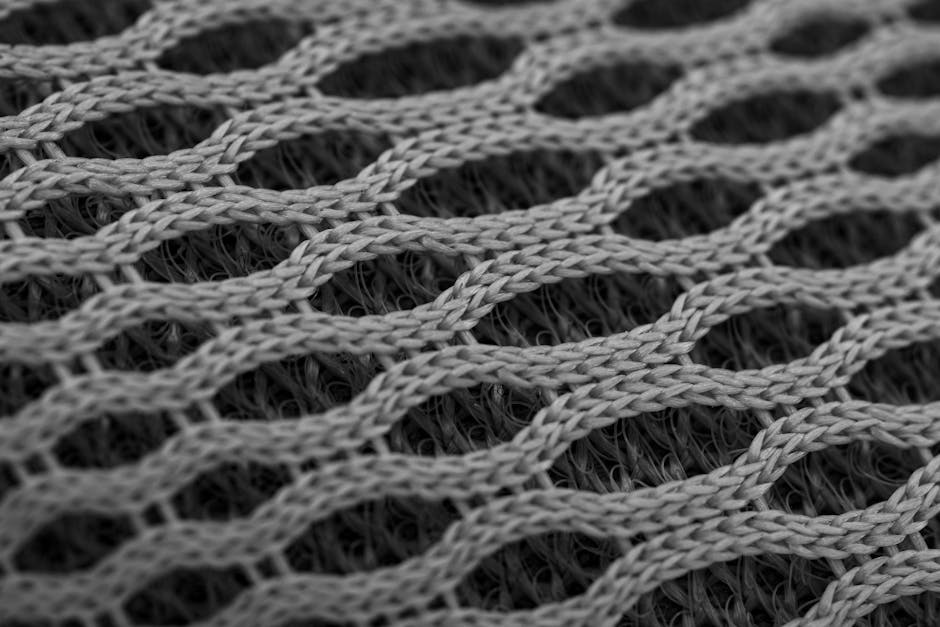
Comfort is often described as if it were one thing. In practice, it is a collection of sensory decisions. Fabric hand—the way a textile feels against the skin—can be smooth, brushed, cool, dry, crisp, or plush. A garment’s weight and stretch matter too. So do seams, waistbands, labels, and the way the fabric behaves when sitting, reaching, or walking.
Seamless construction can reduce bulky joins and create a smoother feel, but it is not automatically better for every wearer or every garment. Seam placement, compression, fiber choice, and finishing all affect comfort. Sensory detail is personal: one person may love a soft brushed surface, while another prefers a lighter, less fuzzy fabric. The useful question is not “Is it comfortable?” in the abstract, but “Comfortable for what, and for how long?”
For a rest-day wardrobe, a few practical details deserve attention:
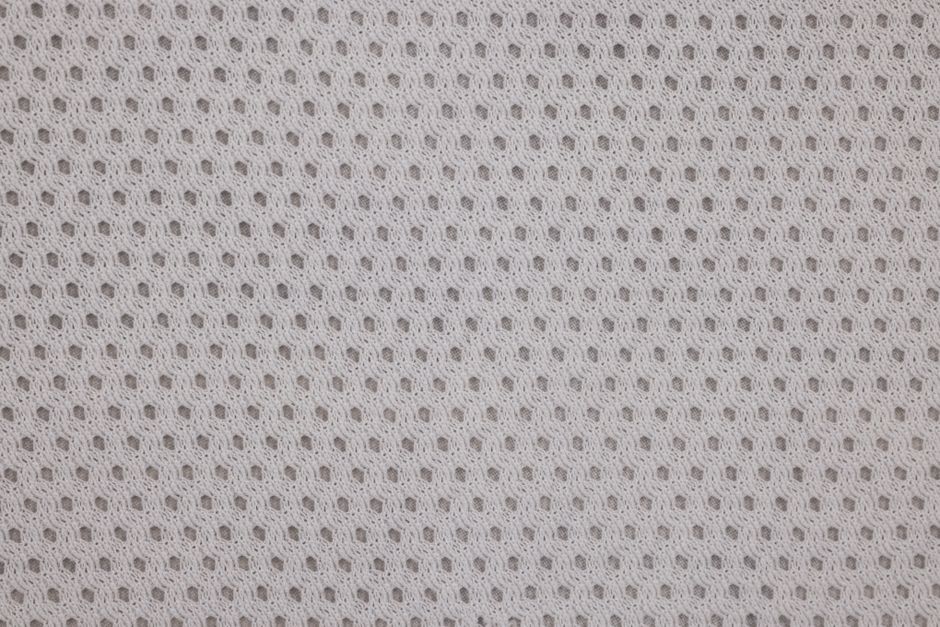
- Fabric hand: Does the surface feel pleasant against bare skin, or does it become irritating over time? Seam placement: Do seams rub when sitting, walking, or bending? Stretch and recovery: Does the garment move easily and return to shape? Temperature: Does the fabric feel appropriate for the room, season, and activity? Care requirements: Can the item be washed and maintained in a way that fits real life?
These are not glamorous questions, but they are the ones that determine whether a garment becomes a dependable favorite or stays in the drawer. Rest-day dressing works best when clothing supports the day instead of demanding attention from it.
The calm lifestyle—and its limits
The calm lifestyle is appealing partly because it promises an antidote to constant urgency. Its imagery is often gentle: neutral colors, uncluttered rooms, unhurried movement. But calm can become another performance standard if people feel they must curate the perfect slow morning or buy a matching set to prove they are taking care of themselves.
A more useful version of the trend makes room for different circumstances. Rest does not look the same for everyone. It may be a nap, a meal with family, a practical errand, a day without exercise, or a few minutes alone. It may also be inaccessible when someone is balancing multiple jobs, caregiving, financial pressure, or health concerns. Editorials should avoid presenting a single polished routine as the universal definition of wellbeing.
Brands can help by focusing on tangible product qualities and realistic use. A garment can be described as soft, lightweight, or designed for ease of movement if those statements are supportable. A wellness product should be described accurately, with appropriate cautions and transparent ingredient information. Neither should be positioned as a cure for the stresses of modern life.
Publishing the trend with care
For digital publishers, rest day culture offers plenty of visual and practical storytelling: wardrobe guides, material explainers, interviews about routines, and reporting on how wellness language is changing. A Squarespace-hosted site can present that work with a clean editorial layout, while squarespace-cdn images can support the page’s visual presentation. The platform and image delivery are publishing tools; they do not, on their own, establish the accuracy or quality of the content.
Images should reinforce the story rather than turn rest into a shopping list. A useful photo might show how fabric falls, how a waistband sits, or how a garment layers. Captions and product notes can clarify what is shown and avoid implying that a styled scene represents an ordinary day for everyone.
Likewise, a PayPal donate link can give readers a straightforward way to support independent publishing, if that is part of a site’s model. It should be clearly labeled and separate from product recommendations. Editorial credibility depends on readers being able to distinguish reporting, advertising, affiliate activity, and donations.
For PAGE Magazine (Reverie Page), that distinction can become part of the brand’s voice: a calm visual identity paired with specific, useful information. Describe the material. Note the care instructions. Identify the source of a claim. If a wellness product is discussed, ask whether ingredient details and batch-level lab results are available where relevant. Quiet presentation should not mean quiet transparency.
How to build a rest-day wardrobe without overbuying
The point of a rest-day wardrobe is not to accumulate a new uniform. It is to have a small group of pieces that suit the routines a person already has. Start with what gets worn repeatedly, then look for gaps rather than chasing a trend’s complete look.
Notice the routine. Consider whether the day involves staying home, walking, errands, stretching, or a mix of activities. Prioritize feel and fit. Check the fabric, seams, waistband, and movement before focusing on a brand name. Read the label. Fiber content and care directions offer more useful information than a broad phrase such as “premium blend.” Consider versatility. Choose pieces that work with items already in the wardrobe and can be worn in more than one setting. Buy only what solves a problem. A new item is worthwhile when it fills a real need, not simply because a trend made it look essential. Rest-day detail Why it matters What to check Fabric hand Shapes the first impression and long-wear comfort Texture, weight, and feel against skin Seam construction Can affect rubbing, fit, and ease of movement Placement, finish, and pressure points Low-logo design Supports a more understated, versatile look Whether the garment works across outfits and settings Care instructions Influence maintenance and useful garment life Washing, drying, and any special handlingRest as a style, not a shopping category
Rest days became a lifestyle trend because they answer a real cultural appetite: people want wellness to feel less like another performance metric and more like a livable rhythm. Fashion has responded with comfort-first design, while brands have learned that everyday rituals can be a more lasting point of connection than a single high-impact campaign.
The strongest version of the trend is not about buying the image of a calm life. It is about making ordinary moments feel more considered, in ways that suit the person living them. A soft fabric, a well-placed seam, a low-key silhouette, or a free hour without an agenda can all contribute. None needs to promise a complete transformation.
That is the appeal of rest day culture—and its editorial challenge. The story can celebrate ease without making it exclusive, discuss wellness without overstating it, and appreciate design without mistaking price or branding for quality. In the end, the most convincing calm lifestyle may be the one that asks the least of us: wear what feels good, keep the claims clear, and let rest be rest.