Short answer: not necessarily. A pear-shaped stone set east-west—lying horizontally across the finger instead of pointing toward the fingertip—can look balanced, deliberate, and beautifully modern. But it is a distinctive silhouette, and the details matter. The pear’s point, the width of the setting, your finger shape, and even how the band feels between your fingers all affect the result.
If you’ve been searching for an east-west pear ring and worrying that it might look like the stone has turned sideways by accident, you’re asking a sensible question. Pears have a natural direction, so rotating one changes how its shape reads. The good news: an intentional horizontal design can turn that directional quality into the whole point.
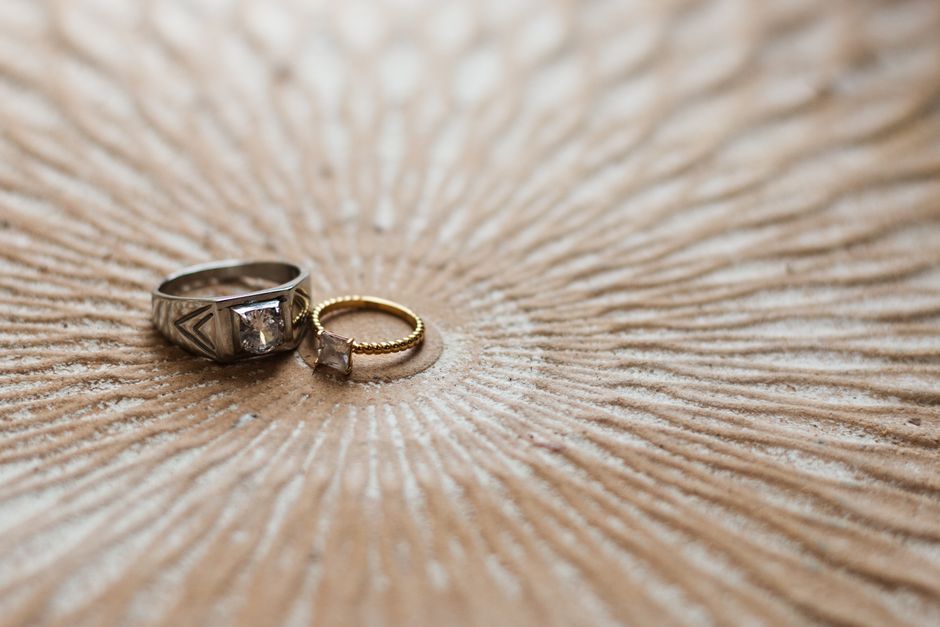
Here’s how to tell whether a horizontal pear engagement ring feels balanced, what to consider before choosing one, and how to make the design personal without losing sight of comfort, durability, or sourcing.
What Is an East-West Pear Setting?
In a traditional north-south setting, the pear’s long axis runs from the base of your finger toward its tip. In an east-west setting, the long axis runs across the finger. Depending on the design, the pear’s point may face toward your thumb or toward your little finger. There is no universal rule for which direction is “correct”—the orientation is a design choice, not a test you can fail.
A horizontal pear engagement ring can be set with the point exposed, tucked into a protective bezel, or framed by prongs and small accent stones. Some designs keep the pear’s outline clear and simple; others make the setting feel like a little landscape, with a curved band or asymmetric details supporting the stone.
Why the Sideways Shape Can Look Balanced
Balance doesn’t require mirror-image sides. A pear is asymmetrical by nature: one end is rounded, one end comes to a point. A well-designed setting acknowledges that difference instead of trying to disguise it. A tapered band, a carefully placed bezel, or small shoulders that visually support the wider end can help the stone feel grounded on the finger.
In person, scale matters more than a product photo suggests. A wide pear on a narrow finger may occupy a lot of visual space, while a smaller stone can look especially graphic and refined. The proportions of your hand, the width of the band, and the height of the setting all contribute to the overall impression.
Will an East-West Pear Ring Look Lopsided?
It can, if the design looks unintentional. A pear that is simply rotated without adjusting the setting may appear to tilt, especially if the point seems unsupported or the band joins the stone awkwardly. That doesn’t mean the east-west orientation is the problem. It means the whole ring needs to be designed around the stone’s new position.
When you’re comparing options, look for these signs of a considered pear cut setting:
- The stone sits level. Check that its long axis runs neatly across the finger and doesn’t appear to dip to one side. The point has a clear visual finish. A prong, bezel, or protective element should look intentional, not like an afterthought. The band meets the setting smoothly. The transition from band to stone should feel designed as one composition. The design works from more than one angle. Side views reveal whether the stone is perched too high or the setting has uncomfortable edges. The ring stays oriented during wear. A top-heavy design may rotate on the finger, making even a balanced setting look crooked throughout the day.
A useful test is to try on a similar silhouette and move your hand naturally: make a fist, hold a phone, slip on a sweater. I keep an informal mental list of settings that snag on knits, and tall prongs are frequent offenders. An east-west design can be low and practical, but orientation alone doesn’t make a ring snag-proof.
Modern Settings and Silhouettes to Consider
East-west settings work with a range of styles, from clean and architectural to romantic and detailed. The setting should protect the stone while supporting the look you want—not simply follow a trend photo.
Setting style What it looks like What to consider Bezel A rim of metal surrounds some or all of the stone. Offers a smooth outline and helps protect the point. Ask how much of the stone’s edge is covered. Prong Small metal claws hold the stone in place. Can show more of the pear’s shape, but prongs need thoughtful placement and regular checks. East-west solitaire The horizontal pear is the main feature, with little or no decoration. Simple doesn’t mean generic: band width, height, and orientation do a lot of visual work. Split or tapered shoulders The band opens or widens near the center stone. Can help the stone look anchored, though the profile may feel more substantial between the fingers. Accent-stone setting Small stones frame the center or follow the band. Check that the details don’t compete with the pear’s outline or create extra catching points.Consider the ring’s height as well as its face-up shape. A low profile may be easier to wear every day, while a taller setting can show more of the stone from the side. If you wear gloves, work with your hands, or reach for cozy knits often, ask to see the ring from the side and test how it moves against fabric.
Breaking Engagement Ring Traditions Without Choosing a Trend on Autopilot
There’s no obligation to place a stone in the orientation most people expect. Tradition can be meaningful when you choose it; it can also be ignored when it doesn’t feel like you. An east-west pear offers a fresh silhouette while keeping the recognizable, softly pointed outline that makes pear cuts distinctive.
It’s worth separating “different” from “right for me,” though. A striking setting may photograph beautifully but feel bulky on your hand, or catch your eye now and feel less personal later. Try to notice what you respond to: the sideways shape itself, a particular band, a colored stone, or the way the design breaks from a conventional solitaire.
For inspiration, create a Pinterest board that includes more than polished campaign images. Save close-ups, side profiles, rings on different hands, and examples of bands you actually like. Add notes about what works—“low setting,” “soft bezel,” “point toward thumb”—so your board becomes a design brief rather than just a collection of pretty pictures. Bespoke Bride is also a natural place to browse for wedding style ideas that feel personal rather than one-size-fits-all; you can carry that same spirit into choosing a ring.
Colored Gemstones as Storytelling
A pear doesn’t have to be a diamond. Sapphires, tourmalines, spinels, and other colored gemstones can make an east-west setting feel even more individual. Color might connect to a place you love, a family heirloom, a birthstone, or simply the shade you reach for every day. It can be a story only the two of you know—or a joyful choice with no explanation required.

Ask what you’re buying, not just what the stone looks like in a photograph. Colored gems can vary in durability, treatments, and origin. Ask the seller to explain whether the stone has been treated, what care it needs, and what information is available about its source. If a brand gives vague answers to reasonable sourcing questions, that’s useful information too.
Retailers and design studios offer different routes for exploring stones and settings. You might browse Lily Arkwright for contemporary fine-jewelry options, compare accessible styles from Modern Gents, or bring references to a jeweler who can discuss a made-to-order design. These are different shopping experiences, so compare materials, setting details, service, and policies rather than assuming every ring in the same silhouette is made the same way.
Bespoke Ring Design: Make the Shape Yours
A custom design can be helpful when you love the idea of an east-west pear but haven’t found a version that https://bizzmarkblog.com/engagement-ring-shopping-online-how-do-returns-and-resizing-usually-work/ fits your hand or priorities. It also lets you make practical decisions before the ring is built: how securely to protect the point, how high the stone should sit, https://highstylife.com/i-hate-solitaires-what-engagement-ring-styles-feel-more-personal/ how wide the band should be, and whether the ring needs to sit beside another band.
Before a consultation, gather a few clear preferences. You don’t need to arrive with technical language or a finished sketch. Plain descriptions are more useful than pretending to know every jewelry term.
Show what you like. Bring images of east-west pears, plus examples of settings you don’t want. Both help clarify the direction. Discuss proportions. Ask to compare stone sizes and band widths on your hand, not only on a screen. Talk about protection. Ask how the point is secured and what maintenance the setting may need. Try the band on. Notice how it feels between your fingers, especially if the band is wide, split, or sculptural. Ask about materials and sourcing. Find out what information is available for the center stone and metals, and what the maker can document. Confirm the practical details. Review resizing, repairs, delivery timing, and the policy for made-to-order pieces before committing.Customization isn’t automatically better, and it doesn’t have to mean an extravagant budget. A simple adjustment—such as lowering the setting or refining the band’s shape—may matter more to your daily comfort than adding more decorative details. Budget conversations don’t ruin romance; they help you decide together what deserves the spend.
Fit, Comfort, and the Band You’ll Wear Every Day
Try the ring on at different times if you can. Fingers change slightly with temperature, and a ring that feels secure in a cool showroom may feel tighter after a warm walk. Make a fist and check whether the band presses into neighboring fingers. Turn your hand palm-up and see if the setting feels bulky. Then ask how the engagement ring will sit alongside a wedding band.
Some east-west settings leave a curved or uneven space below the center stone, which can affect how a straight wedding band fits. A curved band or custom contour may solve the gap, but that’s an extra design decision to consider. If a matching band matters to you, bring it up early rather than assuming every ring will pair neatly with a standard straight band.
A Small Planning Note for the Wedding Season
Choosing a ring often happens alongside a hundred other decisions. If you’re collecting ring references and planning a celebration at the same time, keep the systems simple: a Pinterest board for visual ideas and a Google Sheet for RSVPs can save you from searching through scattered messages later. If invitations are part of a promotions package or planning offer you’re reviewing, check whether RSVP tracking is included or whether you’ll want to manage responses in your own Google Sheet.
So, Does an East-West Pear Look Lopsided?
It can—but it doesn’t have to. A horizontal pear looks balanced when the setting is designed for the stone’s shape, the point feels finished and protected, and the proportions suit the wearer. The best test isn’t whether the ring follows a familiar direction. It’s whether it feels intentional on your hand, comfortable between your fingers, and true to the story you want it to tell.
Try on a few versions, ask direct questions about materials and sourcing, and don’t settle for a setting that looks beautiful only from one angle. If the sideways pear makes you smile every time you catch it in the light, that’s a much better reason to choose it than tradition ever could be.